
Experts of the Human Rights Committee Welcome Efforts by Chad to Combat Trafficking, Raise Issues Concerning the Decree to Examine Reinstating the Death Penalty and Compensation for Victims of the Hissène Habré Regime
The Human Rights Committee today concluded its consideration of the third periodic report of Chad on how it implements the provisions of the International Covenant on Civil and Political Rights, with Committee Experts welcoming efforts taken by Chad to combat human trafficking, while raising questions on the decree to establish a commission to examine the reinstatement of the death penalty and how victims of the Hissène Habré regime were being compensated.
A Committee Expert said the Committee welcomed the adoption of the anti-trafficking law and the revised national action plan to combat trafficking 2024–2026, as well as the recent visit of the Special Rapporteur on trafficking in persons to Chad. The Committee understood that significant efforts had been made, including the creation of a specialised unit within the police; standard operating procedures for the identification and assistance of victims; training of law enforcement agencies and judges; and public awareness campaigns.
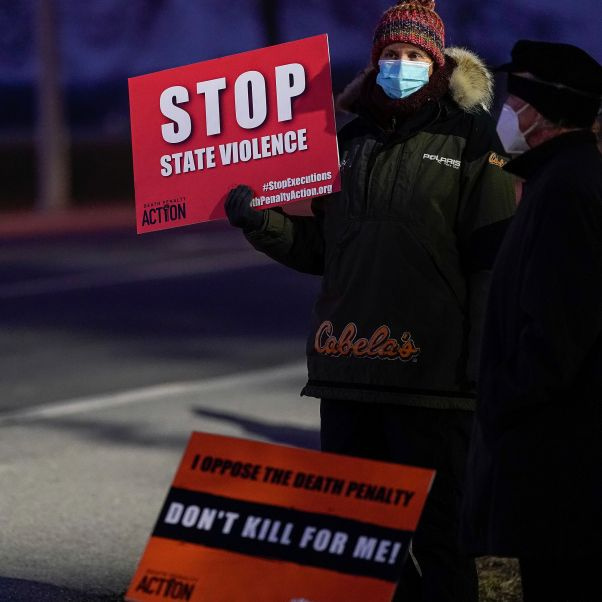
The Committee welcomed the abolition of the death penalty by the State party. However, it was also informed of decree 82 of 23 June 2025 establishing a commission to examine the reinstatement of the death penalty, which raised fears that the death penalty could soon be reintroduced. Could the delegation explain the reasons for the establishment of the committee and provide information on its work?
Another Committee Expert said the State party’s report said that 10,000 million CFA francs had been allocated to the victims of the regime of Hissène Habré and that the number of victims compensated was not yet known. What had been done to provide psychological and medical care to the surviving victims of the Hissène Habré regime? Was the State complying with the Special Criminal Court of N'Djamena’s order to build a monument for the victims of the regime of Hissène Habré and to convert the former headquarters of the Directorate of Documentation and Security into a museum?
Presenting the report, Youssouf Tom, Keeper of the Seals, Minister of Justice and head of the delegation, said Chad’s adoption of a new Constitution by referendum in December 2023 restored and established major institutions such as the Senate, the Constitutional Council and the Ombudsman's Office, strengthening the rule of law, the balance of powers, and democracy. The Constitution also affirmed the Government’s determination to combat corruption, notably through the operationalisation of the Independent Anti-Corruption Agency.
In the ensuing discussion, the delegation said Chad had abolished the death penalty, even for terrorist offences. Due to recurring conflicts in neighbouring countries such as Sudan, there had been an influx of weapons and an upsurge in violence. The Government had been urged to reestablish the death penalty, including by preachers in mosques, to deal with this reemerging violence. Many believed this would put an end to the violence. At one point, Chad had been an abolitionist State with no death sentences handed down. With the resurgence of violence in the country and with social media becoming more active, there had been a trend to think about reestablishing it. However, Chad had committed not to do so and instead was addressing the upsurge of violence.
The delegation also said a trust fund had been created which would be repatriated to Chad and transferred to victims of the Hissène Habré regime. The figure of 10,000 million CFA francs was insufficient compared to what the victims had suffered. Chad was waiting for funds to be transferred from the African Chamber of Appeal to provide compensation to victims. Sites for building a monument had been identified, and it would be erected in a neighbourhood where many victims were buried. Care for the victims of the Hissène Habré regime was a real issue. Once the delegation returned to Chad, its members would contact the Ministry of Health and other relevant stakeholders to address this issue.
In concluding remarks, Mr. Tom expressed deep gratitude to the Committee members for the enriching discussions over the past two meetings. Despite the challenges linked to a context marked by security restrictions, Chad was resolutely pursing the reforms undertaken with a view to strengthening its democratic institutions.
Changrok Soh, Committee Chairperson, said the Committee welcomed efforts to promote women’s participation in public life; mechanisms to combat trafficking in persons; and initiatives aimed at advancing national reconciliation. However, concerns remained, including on a comprehensive anti-discrimination framework; the persistence of gender-based violence; limited healthcare for victims; allegations of excessive use of force and persistence of impunity; and the need to ensure reparations for victims of past violations.
The delegation of Chad was made up of representatives of the President’s Office; the Prime Minister’s Office; the Ministry of Defence; the Ministry of Justice; the Ministry of Health; the Protection of the Rights of the Child and Social Reintegration; the National Assembly, and the Permanent Mission of Chad to the United Nations Office at Geneva.
The Human Rights Committee’s one hundred and forty-fifth session is being held from 2 to 19 March 2026. All the documents relating to the Committee’s work, including reports submitted by States parties, can be found on the session’s webpage. Meeting summary releases can be found here. The webcast of the Committee’s public meetings can be accessed via the UN Web TV webpage.
The Committee will next meet in public at 3 p.m. on Monday, 9 March, to begin its consideration of the fourth periodic report of the Republic of Moldova (CCPR/C/MDA/4).
Report
The Committee has before it the third periodic report of Chad (CCPR/C/TCD/3).
Presentation of Report
AHMAD MAKAILA, Permanent Representative of Chad to the United Nations Office at Geneva, said the report covered the time frame from 2014 to 2023, which was nearly a decade. Between 2021 and 2026, Chad experienced positive and complex developments. The Government had undertaken important reforms to strengthen the rule of law and improve the promotion and protection of human rights. The country had also gone through an exceptional situation following the events of 20 April 2021, marked by the death of President Idriss Deby Itno, which led to a period of political transition.
The transitional authorities had worked to implement structural measures, including the organisation of the inclusive and sovereign national dialogue, the adoption of a new Constitution, and the organisation of the presidential election of 6 May 2024, held in free and transparent conditions. At the end of this election, Mahamat Idriss Deby Itno was elected President of the Republic, marking the return to constitutional order and the gradual establishment of republican institutions. Mr. Tom expressed deep gratitude to the Committee and assured it of the State’s full cooperation and commitment.
YOUSSOUF TOM, Keeper of the Seals, Minister of Justice of Chad and head of the delegation, said the commitment and willingness of the Government of Chad to make civil and political rights a reality was clearly demonstrated by its accession to the Covenant in June 1995 without reservation, affirming its adherence to universal human rights norms. The adoption of a new Constitution by referendum in December 2023 restored and established major institutions such as the Senate, the Constitutional Council and the Ombudsman's Office, strengthening the rule of law, the balance of powers, and democracy. The Constitution also affirmed the Government’s determination to combat corruption, notably through the operationalisation of the Independent Anti-Corruption Agency.
Several legal instruments had been adopted to strengthen the promotion and protection of human rights, particularly those of women and children. The abolition of the death penalty in 2020, including for terrorist offences, represented a historic step demonstrating Chad’s commitment to the protection of the right to life and to international human rights standards. Efforts had also been intensified to strengthen judicial independence, access to justice, and the fight against impunity. The judiciary was reinforced through the Superior Council of the Judiciary to prevent interference in the appointment of magistrates or judicial proceedings.
Steps had been taken to modernise courts, strengthen the capacity of magistrates, improve detention conditions, and promote alternative dispute resolution mechanisms, in line with the Nelson Mandela Rules. New detention centres had been built, and others had been rehabilitated, while mobile hearings and monitoring missions in remand prisons aimed to make justice fairer and more accessible.
Chad also faced challenges related to trafficking in persons and the smuggling of migrants, due to socio-economic vulnerabilities and its position at the crossroads of several migratory routes. In response, the Government had strengthened its legal and institutional framework, including through the adoption of a 2018 law criminalising trafficking in persons and the establishment in 2021 of the National Commission to Combat Trafficking in Persons. A three-year national action plan prioritised the fight against trafficking, particularly involving women and children. Chad recently hosted the official visit of the United Nations Special Rapporteur on trafficking in persons, reflecting the State’s openness to international cooperation.
Several legal instruments supported Chad’s commitment to women’s rights and gender equality, including the Criminal Code, which punished acts of violence against women; a law on parity in political positions; a 30 per cent quota for women candidates in elections; and legislation on the prevention and punishment of violence against women and girls. Awareness campaigns and national strategies had also been implemented to combat gender-based violence, child marriage, and female genital mutilation. Legal instruments and institutional mechanisms aimed to protect children from violence, exploitation, trafficking, early marriage, and forced labour, while strengthening judicial and social responses to rights violations.
Since the review of the second periodic report, Chad had experienced an expansion of civic and political space, illustrated by the growth of political parties, human rights organizations and media actors. A draft law on the protection of human rights defenders and the establishment of a permanent framework for political dialogue further demonstrated the Government’s commitment to democratic governance and inclusive public debate.
Following the return to constitutional order in 2024, Chad adopted a national development programme, “Chad Connection 2030”, which served as a strategic framework for strengthening governance, stimulating economic growth, developing human capital, and promoting inclusive and sustainable development. While progress had been made, challenges remained due to regional security conditions and socio-economic constraints. The Government remained committed to strengthening the rule of law and continuing constructive dialogue with the Committee.
Questions by Committee Experts
A Committee Expert welcomed the high-level delegation of Chad. The dialogue was an opportunity to improve human rights in a country gripped by serious conflict in some parts. Efforts had been made to adopt a growing number of international standards in human rights but there remained a gap between these standards and the reality of people on the ground. The Committee was focused on overcoming this gap.
In its report, the State party said that its national courts referred “regularly” to the Covenant. Could the delegation provide concrete examples of court decisions in which the provisions of the Covenant had been directly invoked or applied? Did the Government intend to draw up a systematic programme for the dissemination of the Covenant and for the continuous training of judges, prosecutors, lawyers and law enforcement officers? Although Chad had been a party to the Optional Protocol to the Covenant since 1995, only one case had been referred to the Committee. What measures had been taken to raise awareness of the Optional Protocol among lawyers, civil society organizations, and the public? What measures were being taken to make the content of the Covenant known to the public and in educational institutions?
The Committee welcomed the abolition of the death penalty by the State party and the recommendations made to Chad during its Universal Periodic Review with a view to consolidating this achievement through the ratification of the Second Optional Protocol to the Covenant, a measure which Chad had supported. What was the status of this ratification? However, the Committee was also informed of decree 82 of 23 June 2025 establishing a commission to examine the reinstatement of the death penalty, which raised fears that the death penalty could soon be reintroduced. Could the delegation explain the reasons for the establishment of the committee and provide information on its work? How was this initiative compatible with Chad's commitment to ratify the Second Optional Protocol?
Could an example be provided of a court that had excluded the application of a national law because of its incompatibility with the Covenant? What measures were being taken to ensure that all judges and prosecutors were properly trained and informed about the principle of primacy of the Covenant and apply it consistently?
Had impartial, thorough and independent investigations been held into summary and extrajudicial executions carried out between 2016 and 2022? How many people had been prosecuted, sentenced, and punished for these crimes, and how many victims had received reparation? Could the State party explain the reasons for the lack of investigations and prosecutions, and indicate the measures that would be taken to combat impunity and guarantee the right of victims and their families to truth and reparation?
In the context of violence reportedly committed by rebel movements in the north, Boko Haram and the State in West Africa in the Lake Chad region, and conflicts between herders and farmers in the south, what concrete prevention and protection measures had been adopted to guarantee the right to life of civilians, including early warning mechanisms, protection of communities at risk, and accountability to avoid any risk of impunity? What was the status of the draft Pastoral Code? Was a disarmament programme underway to reduce the circulation and use of firearms?
Was Chad’s legislation and operational procedures governing the use of force and weapons in line with United Nations guidelines and principles on lethal weapons? Had impartial and thorough investigations been carried out into reported repression of the demonstrations of 11 April 2021 and 20 October 2022? If so, what had been the results? Had members of the security forces been prosecuted and convicted? What forms of reparations have been granted to the victims? Would the investigation report conducted by the Economic Community of Central African States be made public, and how would its recommendations be implemented?
The State party’s report said that 10,000 million CFA francs had been allocated to the victims of the regime of Hissène Habré and that the number of victims compensated was not yet known. Could an update on the situation be provided? Was compensation provided to all victims, and was it consistent with the orders of the Special Criminal Court of N'Djamena and the African Chamber of Appeal? What had been done to provide psychological and medical care to the surviving victims of the Hissène Habré regime? Was the State complying with the Special Criminal Court’s order to build a monument for the victims of the regime of Hissène Habré and to convert the former headquarters of the Directorate of Documentation and Security into a museum? Had consultations with victims been carried out for the implementation of these measures?
Did equality before the law include non-discrimination on the basis of sexual orientation? Was it correct that the Chadian Penal Code punished sexual relations between persons of the same sex? What measures had been taken to prevent and combat discrimination and stigmatisation against persons with albinism? What protection was granted to them to improve their living conditions, particularly in terms of medical care?
The Committee had learned that a decree of 17 September 2025 stripped two Chadian citizens residing abroad of their nationality for having expressed critical opinions about the Government of their country. Could the delegation clarify this situation?
What was the status of the process of adopting the Code of Persons and the Family, which would contain rules to resolve inequalities between men and women? How did the State party address inequalities between men and women in matters of inheritance, property rights, and matrimonial regimes?
What measures, in addition to awareness-raising campaigns, had the State party taken to eliminate the practice of female genital mutilation, which still existed in the country according to civil society? Although the Civil Code set the minimum age of marriage at 18 years, child marriage continued to be practiced, especially in rural areas, where girls as young as 14 years old were forced into marriage. What was being done by the State party to combat this issue?
Another Committee Expert said the Committee welcomed the law adopted in December 2023 which enabled the National Human Rights Commission to better comply with the Paris Principles; the Committee understood that the Commission had “B” status. What measures had the State party taken to further strengthen the effectiveness and independence of the Commission, including adequate financial, human and material resources? For example, would Chad consider revising the appointment procedures to ensure greater transparency and pluralism, promoting the participation of Parliament and civil society? Would the State party consider giving the Commission an explicit mandate to carry out unannounced visits to places of deprivation of liberty? What process was in place to disseminate the Commission’s reports and ensure systematic follow-up and implementation of its recommendations?
The Committee understood that a process was underway to draft a national human rights policy. The Committee considered this to be an important step in strengthening Chad's commitment to human rights. What progress had been made in this regard? What was the role of the National Human Rights Commission and civil society organizations in the development of this policy? How would the policy be monitored?
The Committee took note of the national strategy for universal health coverage, as well as the strategic plan for the development of human resources for health. However, it remained concerned about reports highlighting an almost complete absence of health care and education services in some conflict-affected areas. The Committee had also received alarming reports of continued high rates of maternal and infant mortality, owing to limited access to health care, and the low presence of skilled personnel at births, as well as high rates of teenage pregnancy. What measures had been taken in terms of capacity-building of health professionals, distribution of essential medicines through mobile clinics, and community awareness-raising? How did the State party ensure age-appropriate sexual and reproductive health education, and protect the availability and accessibility of sexual and reproductive health services?
Another Committee Expert said that, despite the security and geopolitical challenges that Chad faced, as well as the impact of migratory flows and internally and externally displaced persons on the State, the Committee was concerned about the frequency of emergency measures decreed by the various governments, especially during the period from 2020 to 2024. Could information be provided on the legal framework governing the state of emergency and on the compatibility of existing laws and regulations with the Covenant and the Committee’s relevant general comment? Did the State party intend to abolish or amend state of emergency orders in the near future?
The Committee continued to be concerned that although female genital mutilation was illegal, the practice continued to be widespread in the country, with almost a third of women between the ages of 15 and 49 undergoing this operation. It was also reported that 29 per cent of women between the ages of 15 and 49 experienced physical or sexual violence in their lifetime. These violations were most often committed in rural areas by cultivators, farmers or herders, as well as business owners.
Generally, victims of gender-based violence were afraid to report rapes and attacks for social reasons or because of a lack of support from law enforcement or traditional authorities. On several occasions, sexual violence against women and girls in Chad had been perpetrated by agents of the national intelligence service and the police as a means of intimidation. Another factor was the lack of trust in the justice system. Unfortunately, impunity remained a major problem.
Could the delegation provide data on the number of complaints of violence against women, including domestic violence and female genital mutilation, that had been filed and registered; the investigations carried out; the prosecutions initiated; and the reparations provided to victims during the reporting period? What measures had been taken to facilitate the filing of complaints to ensure effective access to justice? What awareness-raising activities had been launched on combatting violence against women and on capacity-building programmes for law enforcement officials? To what extent had the national gender strategy and the national strategy to combat gender-based violence been implemented? What had been done to improve the services of the integrated multisectoral service centres for the care of victims, including in rural areas? What was the purpose of the establishment of the Maison de la Femme, its composition and financing, and its role in the economic and social strengthening of Chadian women?
A Committee Expert asked how the independence, operational autonomy and effectiveness of the Anti-Corruption Agency, established in 2023, were guaranteed in practice? What were the procedures governing the appointment, tenure and possible dismissal of the Agency’s leadership, and what safeguards existed to prevent undue political interference? Did the Agency have the power to commence investigations on its own initiative, including in cases involving senior political or administrative officials? How was its budget determined and how were sufficient resources ensured?
Could the delegation provide detailed and disaggregated information regarding enforcement outcomes of corruption for the period 2023–2025? How many complaints were received and how many investigations were formally opened? How many cases were referred to the prosecutorial authorities and how many resulted in final judicial decisions? What proportion of cases concerned senior officials? What was the total value of assets frozen, confiscated or recovered and how were they managed? How did the State party ensure the transparency of judicial proceedings and public access to decisions in corruption-related cases?
Could more information be provided about the preventive framework designed to address systemic corruption risks, including a mandatory system of asset and income declarations for public officials; legal and institutional measures; and legislative safeguards to protect whistleblowers? Did these measures form part of a comprehensive and time-bound national anti-corruption strategy? How did the State party evaluate the effectiveness and sustainability of its anti-corruption framework in strengthening public trust and the rule of law?
Responses by the Delegation
The delegation said the Covenant was transposed into Chad’s Criminal Code. Judicial officials used the newly amended Criminal Code to enforce the law. Dissemination remained a challenge, however. The State aimed to increase the dissemination of the contents of the Covenant to the public.
Chad had abolished the death penalty, even for terrorist offences. Due to recurring conflicts in neighbouring countries such as Sudan, there had been an influx of weapons and an upsurge in violence. The Government had been urged to reestablish the death penalty, including by preachers in mosques, to deal with this reemerging violence. Many believed this would put an end to the violence. On social media, young bloggers were calling upon the Government to reestablish the death penalty. There was a sense of increasing impunity which was encouraging people in this regard.
After ratification, the Covenant was transposed within Chad’s domestic law. Several measures had been taken to establish awareness raising campaigns to broadly disseminate knowledge about the Covenant with the public and judicial officials.
At one point, Chad had been an abolitionist State with no death sentences handed down. With the resurgence of violence in the country and with social media becoming more active, there had been a trend to think about reestablishing it. However, Chad had committed not to do so and instead was addressing the upsurge of violence.
Regarding protecting civilians against Boko Haram attacks, the State had always taken measures to disarm the population. There were two disarmament frameworks: one related to the army and the other to the Boko Haram sect. These processes had made it possible for the removal of arms from communities. In January this year, the Government carried out disarmament operations and recovered many weapons. The State had directly intervened in certain cases to protect the civilian population. There were warning and alert systems at the community level which informed authorities when a conflict was about to erupt.
Defence and security forces sometimes stepped in during attacks to protect civilians and relocate them to safer areas. The Government aimed to raise awareness about weapons possession and encourage civilians to give up their arms. A standing disarmament programme was in place to help disarm the civilian population.
Chad aspired to have agriculture and animal husbandry as its main industries. In its social policies, the Government had tried to formally draft a pastoral code, which had been done in an inclusive and collaborative process, involving those working on the ground with crops and cattle. It was believed that at the end of the process, the document would be as inclusive as possible, to ensure the two sectors of society coexisted peacefully.
The events of October 2022 were not a protest but rather an insurgence; Government buildings were attacked and Government law enforcement agents had lost their lives. Under these circumstances, the Government had had to apprehend these individuals, who were tried and prosecuted under the Criminal Code. Amnesty was subsequently granted, meaning there was no more prosecutions.
A trust fund had been created which would be repatriated to Chad and transferred to victims of the Hissène Habré regime. The figure of 10,000 million CFA francs was insufficient compared to what the victims had suffered. Chad was waiting for funds to be transferred from the African Chamber of Appeal to provide compensation to victims. Sites for building a monument had been identified, and it would be erected in a neighbourhood where many victims were buried. Care for the victims of the Hissène Habré regime was a real issue. Once the delegation returned to Chad, its members would contact the Ministry of Health and other relevant stakeholders to address this issue. It was important to help those people who needed assistance. The 10,000 million CFA francs was intended to be provided directly to victims by the State. Some 10,082 victims were eligible for redress.
Due to social traditions, Chad’s Criminal Code still penalised sexual orientation, and at present there were no plans to adopt another policy. Gender equality was practiced and enshrined in the Constitution and the protection of women and girls was guaranteed through legal texts. The State ensured that 30 per cent quotas were in place to ensure women’s representation in public positions. The law on parity was enforced and had yielded substantive results, particularly during recent elections. Female representation in the National Assembly now stood at 34 per cent. The Government was striving to promote women’s representation in local bodies.
Chad was implementing universal health coverage, and the State covered all expenditure in this area. Until universal health coverage was extended to all provinces, free health care was provided by the Government prior to the delivery of a baby and up to 24 hours after. This year, there had been a significant increase in the budget for health training. There had also been a substantial drop in maternal mortality thanks to efforts by the customary and religious authorities, who visited pregnant women and convinced them to opt for a hospital delivery rather than home deliveries.
Regarding the men who had lost their nationality due to a decree adopted by the Government, the stripping of nationality was permitted under the Criminal Code. This decree was legal, although some did not believe it to be justified. If someone lost their nationality, they could challenge this before courts and other institutions. Two communications had been issued by United Nations Special Rapporteurs related to this issue, to which the Government had responded.
The Executive had no influence on the appointment of the Human Rights Commissioner. The National Human Rights Commission was undergoing financial difficulties, but this was also due to the financial crisis gripping the country. Efforts were being made to secure the Commission’s budget and resources. The Commission carried out investigations which were detailed in reports that were subsequently made public. Visits were carried out to places of deprivation of liberty.
Regarding corruption cases, 20 different proceedings had been initiated with more than 90 people apprehended, and 18 senior officials detained. Assets had been frozen and seized.
The State had mechanisms in place to receive referrals for cases of domestic violence. Legal centres and alternative accommodation centres had been created to house victims. Members of the body to combat corruption were appointed through a decree; it had first been provided with staff in May 2024. This was a young institution which was slowly making progress.
In 2023, 470 cases of violence against women were registered. Legal and psychological assistance were granted to each victim. The number of cases increased to 664 in 2024. The Maison de la Femme centres operated throughout all provinces in the country. These centres broadcast programmes for women and had a hotline in place for victims, among other services.
Questions by Committee Experts
A Committee Expert asked what measures had been taken to investigate the 10 cases of reported enforced disappearances which had occurred during 2025 and whether any investigations had been opened? What had been done to determine the whereabouts of around 200 persons who disappeared during the events of 20 October 2022? Could an update be provided on the establishment of the Commission of Inquiry on Enforced Disappearance, as promised through the Doha Peace Agreement? How were cases of enforced disappearance investigated and prosecuted? What was the role played by the public prosecutor in cases of enforced disappearance?
How was it ensured that the police and members of the security forces received adequate training on the prohibition of torture and other cruel, inhuman or degrading treatment or punishment, as well as on the guidelines contained in the Istanbul Protocol? Following the demonstrations of 20 October 2022, there were mass arrests of more than 600 people, including around 80 minors. Numerous civil society organizations had denounced serious acts of torture, ill-treatment and inhumane conditions to which detainees were subjected, hundreds of whom were illegally transferred to the isolated prison of Koro Toro in military trucks without adequate food or water. Had these acts been investigated and what was their outcome? What measures had been adopted to investigate secret detentions and punish the perpetrators?
An increase in arbitrary detentions and the practice of torture by security forces during the years 2024 and 2025 had also been reported, with many of these actions attributed to agents of the National State Security Agency. Could the State party respond to these allegations and provide additional information? What had been done to investigate these incidents and punish those responsible? Were there plans to institute an independent mechanism for the prevention of torture? Was the Government considering ratifying the Optional Protocol to the Convention against Torture?
Another Committee Expert said the Committee welcomed the adoption of the anti-trafficking law and the revised national action plan to combat trafficking 2024–2026, as well as the recent visit of the Special Rapporteur on trafficking in persons to Chad. The Committee understood that significant efforts had been made, including the creation of a specialised unit within the police; standard operating procedures for the identification and assistance of victims; training of law enforcement agencies and judges; and public awareness campaigns. How would the State party ensure that these measures were implemented in a coherent and structural manner, and that the National Committee to Combat Trafficking in Persons had sufficient resources to carry out its functions?
The Committee remained concerned about reports that trafficking and forced labour remained prevalent in domestic work, animal husbandry, agriculture, mining and child marriage, particularly in rural areas. What measures had been taken to combat and prevent these practices? What legal, medical and psychosocial services were available to victims? Were the drop-in centres available in different regions and accessible to those in rural areas? How many people had been convicted of trafficking and how many had received compensation? Were training courses for judges and police compulsory and organised in rural areas?
The Committee had received information about severe restrictions on freedom of expression and limited civic space. How did the State party ensure that restrictions on freedom of expression fully complied with the criteria of legality, necessity and proportionality set out in the Covenant, to avoid self-censorship? What measures had been taken to ensure that national legislation, including article 343 of the Penal Code, did not include overly broad and vague clauses that could allow for excessive restrictions on freedom of expression?
The Committee was aware of the assassination of presidential candidate Yaya Dillo at his party's headquarters in February 2024, among other similar examples over the years, as well as the murders of journalists. It appeared that none of these events had been investigated. How did the State party combat and prevent threats, harassment and reprisals against politicians, journalists and human rights defenders? How was it ensured that all situations of alleged violations of freedom of expression were independently and transparently investigated, and that the perpetrators were held accountable?
Could the State party clarify the compatibility of the measures taken during the October 2022 protests, including internet shutdown and the suspension of media outlets, with freedom of expression, and explain why these restrictions were necessary and proportionate?
What measures had been taken to protect and facilitate freedom of assembly? How did the State party prevent broad definitions in the law such as "disturbing public order" from being arbitrarily used to ban peaceful assemblies? How did the State party intend to bring its regulations for peaceful assembly into conformity with the Covenant? Could the State party comment on allegations that in October 2024, the police forced the cancellation of a conference in N'Djamena to discuss justice for the victims of former President Hissène Habré?
Another Expert said the Committee remained concerned about reports from multiple and credible sources concerning the intentional and routine ignorance by law enforcement agencies of the guidelines regarding search, arrest and detention. Detainees were often denied access to lawyers, and those suspected of crimes had sometimes been detained for long periods without charge, while
long pre-trial periods continued to be a problem where judicial authorities detained people without charging them for several years. Reports showed that law enforcement officials held prisoners in police cells or secret detention facilities. Additionally, the conditions of detention in some penitentiary establishments raised serious concerns regarding compliance with international standards.
What measures had been taken to avoid extended police custody and eradicate abusive pre-trial conditions? Were there complaints mechanisms available to detainees? How many people were currently in pre-trial detention and had access to court appointed lawyers? What measures were planned by the State to encourage non-custodial measures? What was Chad doing to improve the conditions of detention and treatment of detainees? Were there any measures taken to establish confidential mechanisms that would allow detainees to report violations of their rights? What had been the results of the investigation requested by the National Human Rights Commission regarding the death in cells of 44 prisoners, presumed to be members of Boko Haram, in one night in the jails of the gendarmerie in April 2020? What prosecutions had been carried out and what sanctions had been handed down?
An Expert asked if the delegation could clarify how judicial independence was effectively ensured in practice, particularly in cases involving political actors, members of the security forces, or matters of significant public interest? What was the procedure governing the appointment, promotion, transfer and dismissal of judges? Which body exercised disciplinary authority over judges, and how was its own independence from the executive branch guaranteed? Had there been cases in recent years where judges were subjected to disciplinary measures, transfers or other actions following decisions perceived as unfavourable to the authorities? What concrete safeguards protected judges from undue influence, pressure or reprisals?
What specific anti-corruption mechanisms existed within the judiciary and were there independent oversight bodies mandated to investigate allegations of judicial misconduct? How many complaints of corruption or undue interference involving members of the judiciary had been filed in recent years? What measures had been taken to strengthen transparency in judicial proceedings and public confidence in the administration of justice? Was access to a lawyer guaranteed immediately upon arrest, and was this systematically implemented throughout the territory, including in rural areas? What remedies were available to defendants alleging violations of fair trial rights?
Could the delegation clarify what concrete legislative provisions explicitly prohibited early and forced marriage and corporal punishment in all settings, including within the family? How were these prohibitions enforced, particularly in rural and remote areas? Could disaggregated data be provided on investigations, prosecutions and convictions relating to early marriage, corporal punishment, and other harmful practices in recent years? What awareness-raising, community-based and educational measures had been implemented to address deeply rooted social norms? Were there child-sensitive complaint mechanisms accessible to children themselves, and what safeguards ensured protection against retaliation?
What early identification and referral systems were in place to prevent children from falling into street situations or exploitative environments? What institutional framework ensured coordination between social services, law enforcement, judicial authorities, and local administrations in responding to such cases? How were budgetary allocations for child protection programmes determined, and had any constraints affected their implementation? What specific measures were being taken to protect particularly vulnerable groups?
Could the delegation clarify whether a formal, nationwide demobilisation and reintegration programme for children associated with armed forces or armed groups was currently operational? What procedures were in place to proactively identify such children and ensure their immediate protection? Could data be provided on the children demobilised in recent years and could long-term reintegration measures be explained? What monitoring mechanisms assessed the sustainability of reintegration outcomes and prevented re-recruitment?
What was the procedure for the appointment of members of the Independent National Electoral Commission and the mechanisms in place to ensure its institutional, functional and financial independence? What measures had been adopted to ensure the effective participation in public affairs of civil society organizations, opposition political parties, and all ethnic groups? What steps had been taken to guarantee timely and transparent dissemination of electoral information to the public?
The Committee had received information concerning the killing of Yaya Dillo, leader of the Parti Socialiste sans Frontières, during an operation conducted by security forces at the party’s headquarters. Had an impartial and independent investigation been conducted into these events, and what were the findings? Had any prosecutions been initiated, convictions secured, and sanctions imposed? Had any reparations or forms of redress been provided? What measures had been adopted to prevent similar incidents in the future? Did a permanent national mechanism for preparing reports and implementing recommendations of treaty bodies currently exist in Chad?
A Committee Expert said Chad hosted many refugees fleeing conflicts in neighbouring countries. Could the delegation clarify what legislative provisions and procedures currently existed to ensure a fair and effective procedure for the determination of refugee status, including access to a remedy and legal assistance for asylum seekers? What guarantees existed to ensure full respect for the principle of non-refoulement in all removal, expulsion and extradition procedures?
The State party had facilitated access to civil status, including through mobile courts and the issuance of 120,000 supplementary judgments for refugee children born in Chad. How were these measures used to prevent statelessness among refugees, internally displaced persons and returnees? What concrete steps had been taken to identify those at risk of statelessness among Sudanese refugees, internally displaced persons, and returnees from the Central African Republic, and to provide them with documents or legal status to avoid statelessness?
The establishment of the National Commission for the Reception and Reintegration of Refugees and Stateless Persons was a welcome step. Could the State party describe the effective mandate of the Commission, the human and financial resources available to it, and the measures taken to strengthen them so that it could fully exercise its functions?
Could the delegation provide information on the current capacity of refugee camps, in particular for Sudanese refugees and returnees from the Central African Republic, and whether the number of persons currently accommodated exceeded that capacity? What measures had the State party taken to ensure adequate security and living conditions in the camps, including access to drinking water, health care, education and protection from violence?
Several programmes were mentioned to facilitate access to justice and support women and girls who were victims of sexual violence. How were these initiatives articulated with national institutions, for what duration were they planned, and what measures had been taken to ensure that refugees and internally displaced persons had sustainable access to legal and protection services throughout the country, including outside the eastern part of the country? The Expert thanked Chad for the efforts taken to host refugees on their territory.
Responses by the Delegation
The delegation said persons with albinism in Chad made up a small proportion of the population and were not discriminated against; they were entitled to obtain medical treatment on an equal basis with other citizens.
The delegation members were not familiar with the 10 cases of enforced disappearance referred to by the Committee. When there were cases of enforced disappearance, the registrar was entrusted with the case, so it could be reopened if new evidence arose.
During the events in October 2022, there were deaths and many arrests, with some people taken to the high security centre and many people convicted. There was then an amnesty to close these cases, in which the Government decided to pardon all those who had been convicted, including political opponents who went into exile.
It had been decided that Chad should consider transitional justice which took into account the realities of the country following the decades-long war. Wounds were opened and it was important to create a system which addressed the past.
The ratification of the Optional Protocol of the Convention against Torture had been the subject of much discussion, and required awareness raising and consultation. It was on the country’s agenda but was a question of timing.
Trafficking was an issue of high priority in Chad and training was provided to staff working in and with the National Commission. Victims were referred to transit centres and non-governmental organizations worked to provide reintegration support. The delegation acknowledged that there needed to be more awareness raising on this issue throughout the country. The elements which constituted trafficking were different from the abduction of minors. A platform had been established in the appeals court to collect information about different cases, particularly in zones where trafficking was more prevalent.
An investigation was launched directly after the death of Yaya Dillo. Unfortunately, after numerous calls to those concerned, they had not come forward and the investigative judges had been limited to conversations with members of the family and the political party.
Regarding the 44 deaths in custody, members of the law enforcement had been called as witnesses, and certain members were charged. The investigation was ongoing.
Regarding orders issued in 2023 on peaceful assembly, this had occurred during an exceptional period where there were significant troubles and unrest. The Government had taken these measures for a stipulated period. The country was becoming more peaceful, and over time the State would amend these orders, or they would expire. Civil society no longer needed to ask for permission to carry out peaceful demonstrations.
State of emergency orders could only be decreed when there were emergency threats in the country. This could also apply in health emergencies, such as the COVID-19 pandemic. The imposition of a state of emergency was compatible with the Covenant.
A roadmap to combat female genital mutilation and child marriage had been developed to improve numbers of gender-based violence and ensure all complaints and prosecutors of perpetrators could be dealt with at the highest possible level. There had been training for the judiciary, police and other stakeholders on these issues, with more than 500 people receiving such training. More than 350 humanitarian officials had also been trained. Around 82 victims of female genital mutilation had been provided with care and support. Areas that were hotbeds of female genital mutilation had been identified and the Government concentrated its efforts on these zones.
The Government was aware of the abuse of pretrial detention and had amended the Criminal Code to better regulate police custody. A circular was issued by the Government to instruct all magistrates to expedite criminal cases. The Government had received a report which stated that cases involving persons on pretrial for correctional matters had been resolved. The backlog was now over, with more than 1,700 persons tried.
Chad was eager to combat corruption in the judiciary. Within the Ministry, there was a general inspectorate which oversaw the courts. If cases of corruption were referred to it, it investigated them and provided sanctions, with some judicial officials even being sacked.
As soon as someone was arrested, they needed to be informed of their right to a lawyer. If they were not informed of this right, the court case could not go ahead. A decree was being passed to ensure those without counsel could have access to a court appointed lawyer.
Appeals courts were organising sessions as a means of addressing prison overcrowding. Work was being carried out with the Ministry of Health and the Red Cross to provide healthcare and medicine to prisoners.
Chad had developed legislation for refugees, who had equal rights with nationals to access healthcare, education and the labour market. Refugee camps were full and needed to be expanded. Some refugees had been transferred to more suitable premises. Chad was still facing the consequences of the 2023 Sudan crisis and was facing many gaps in water and sanitation.
Chad had launched a programme to combat statelessness and register refugees. Chad had tools to ensure refugees never fell into statelessness, including informing people of the need to secure appropriate documentation.
Chad’s Constitution outlined that justice was guaranteed by the State. The Ministry of Justice aimed to ensure there was no corruption and that justice worked properly and effectively. Investigations were carried out, and if it was proven that judicial officials had misbehaved, this information was passed on to the Council of the Judiciary who acted accordingly. Judges were not put under pressure by politicians.
Follow-up Questions by Committee Experts
Committee Experts asked follow-up questions about teenage pregnancies; reform of the justice system in line with the Covenant; whether the amnesty following the 2022 events was available for law enforcement alleged to have committed torture and ill-treatment of detainees; results of the implementation of the recommendations by the Human Rights Council given during Chad’s Universal Periodic Review; guarantees which existed to ensure deportations did not violate extradition procedures; clarification around the appeals mechanism; and how women and girls were protected from violence in the refugee camps.
Responses by the Delegation
The delegation said the National Plan of Chad 2030 was designed to create a plan for Chad to develop its economy, focusing on trade and development.
Detainees who had committed serious crimes were sent to a prison which was in the desert to serve their sentence. It had had some restoration works performed in 2024, and more would be undertaken in 2026. The State planned to create a small health centre near the prison imminently. Efforts were being made on nutrition; when there had been a shortage, the Government took responsibility. Regular visits were undertaken by the Red Cross and the Ministry of Health.
Regarding the amnesty on the events of October 2022, this was in the framework of measures seeking to promote a restoration of peace to the social climate. The law had been adopted in line with the Covenant and hand in hand with all parties concerned.
The bill to protect human rights defenders was drafted and was currently in the process of being adopted. Chad was preparing to submit its mid-term report for the Universal Periodic Review on time and would be able to assess its progress. Chad had a mechanism to implement recommendations and concluding observations from United Nations treaty bodies, which was established in 2022.
The national policy on human rights had been drafted following an inclusive and participatory process. Workshops were being held in the provinces of Chad on transitional justice and a truth and reconciliation commission had been established.
For vulnerable women without resources, the Bar Association could arrange for a lawyer to be appointed for them. It was ensured they would have the assistance of a lawyer.
There had been disarmament in some areas of the north; regular coordinated missions were undertaken in this regard and systematic searches took place for these weapons. These activities were ongoing.
The Appeals Subcommittee examined requests from asylum seekers whose file had been initially rejected by the Eligibility Commission.
Closing Remarks
YOUSSOUF TOM, Keeper of the Seals, Minister of Justice of Chad, expressed deep gratitude to the Committee members for the enriching discussions over the past two meetings. The dialogue illustrated Chad’s respect for the treaty bodies and human rights and the desire to build a culture deeply rooted in human rights. The Committee’s questions were a source of inspiration and guidance for the country. Despite the challenges linked to a context marked by security restrictions, Chad was resolutely pursing the reforms undertaken with a view to strengthening its democratic institutions. Chad called for further technical and institutional support from the international community to consolidate progress made and overcome remaining challenges.
CHANGROK SOH, Committee Chairperson, said the dialogue with Chad had provided a useful opportunity to exchange views on the implementation of the Covenant. The Committee welcomed efforts to promote women’s participation in public life; mechanisms to combat trafficking in persons; and initiatives aimed at advancing national reconciliation. However, concerns remained, including on a comprehensive anti-discrimination framework; the persistence of gender-based violence; limited healthcare for victims; allegations of excessive use of force and persistence of impunity; and the need to ensure reparations for victims of past violations. Mr. Soh thanked the delegation and all those who had made the dialogue possible.
______
Produced by the United Nations Information Service in Geneva for use of the media;
not an official record. English and French versions of our releases are different as they are the product of two separate coverage teams that work independently.
CCPR26.005E