
Experts of the Committee on the Rights of the Child Commend Ethiopia on Law Providing Free Education, Raise Questions on Measures to Protect Children from Violence and Schooling Opportunities for Children with Disabilities
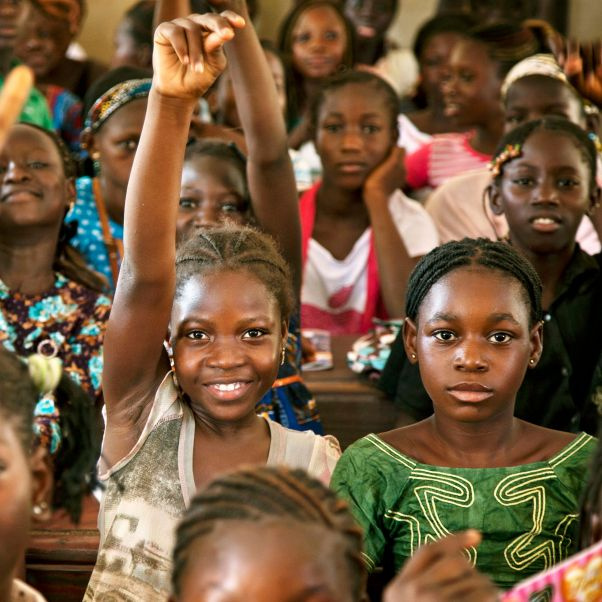
The Committee on the Rights of the Child today concluded its consideration of the combined sixth and seventh periodic report of Ethiopia under the Convention on the Rights of the Child, with Committee Experts commending the State party on its new 2025 law on education, which among other things guaranteed free primary, middle and secondary school education. The Committee raised questions on what Ethiopia was doing to protect children from violence and ensure accessible schooling for children with disabilities.
Benoit Van Keirsbilck, Committee Expert and Country Taskforce Member, said the new 2025 law on education constituted real progress on implementing the right to education, and was highly ambitious with the free primary, middle and secondary school education guarantee, as well as the ban on corporal punishment. This was very positive, and Mr. Van Keirsbilck commended the delegation on this.
Suzanne Aho, Committee Expert and Country Taskforce Member, asked what budget had been allocated to the one-stop centres to protect children from violence? Were there sufficient staff members and had they been properly trained? Were the mobile staff in rural areas sufficient to meet the needs of these children? How was children’s safety guaranteed when walking to school, particularly girls? What measures were taken to support male victims of sexual violence who suffered social stigma?
Zeinebou Taleb Moussa, Committee Expert and Country Taskforce Member,
welcomed that children with disabilities were recognised as rights holders. How many of these children had been able to complete higher education? Were there individual education follow-up plans for children with disabilities? Had these plans been evaluated? Did boys and girls with disabilities have equal access to education and to remain in school? Did the school structure take into account physical access needs for children with disabilities?
The delegation said the Government had expanded one-stop centres nationwide to provide legal and medical support for survivors of violence, particularly children, including the recovery and reintegration of child victims. Ethiopia had expanded access to safe houses from 2022 to 2024, enabling tens of thousands of children to receive access to legal services, counselling and rehabilitation. The Government had launched a two-million-dollar project to support survivors
The delegation said a 10-year plan for special needs inclusive education had been unveiled to ensure accessible and quality education to children with special needs, either based on reasonable accommodation or in special schools. Ethiopia had introduced the national education and policy framework to recognise a high-quality education for children with special needs. A programme had established more than 1,017 inclusive education resource centres which resulted in the enrolment of more than 191,000 children with disabilities in 2022 alone. Special needs education programmes were being provided in 20 colleges and 12 universities, and schools were working with relevant stakeholders to strengthen their inclusive education resources centres.
Introducing the report, Tsegab Kebebew Daka, Permanent Representative of Ethiopia to the United Nations Office at Geneva and head of the delegation, said in recent years, Ethiopia had undertaken wide-ranging political, legal, social and economic reforms aimed at strengthening democratic governance and human rights protection, in particular concerning the Convention, which it viewed as a guiding framework for national development and social justice. Legislative and institutional reforms in areas such as labour, trafficking, family law, adoption, refugee protection, and child justice had strengthened alignment with international child rights standards. The dialogue took place against the backdrop of serious challenges, including armed conflict, internal displacement, climate-related shocks, and the COVID-19 pandemic.
In closing remarks, Ms. Beloff thanked the delegation for aiming to respond to all the Committee’s questions, demonstrating Ethiopia’s compliance with the Convention. The Committee had taken due note of the efforts undertaken since the last dialogue, particularly for children in disadvantaged situations. However, there were many challenges which needed to be overcome, including poverty, harmful practices, and the treatment of children in conflict with the law, among others.
In his closing remarks, Mr. Daka expressed gratitude to the Committee for the meaningful and constructive dialogue. The Committee’s insights provided Ethiopia with a valuable roadmap for advancing child rights in Ethiopia. The path ahead was one of challenges and opportunities which the State party planned to embrace with sincerity.
The delegation of Ethiopia consisted of representatives from the Ministry of Women and Social Affairs; the Ministry of Health; the Ministry of Justice; and the Permanent Mission of Ethiopia to the United Nations Office at Geneva.
The Committee will issue the concluding observations on the report of Ethiopia at the end of its one hundredth session on 30 January. Those, and other documents relating to the Committee’s work, including reports submitted by States parties, will be available on the session’s webpage. Summaries of the public meetings of the Committee can be found here, while webcasts of the public meetings can be found here.
The Committee will next meet in public on Thursday, 29 January at 3 p.m. when it will hold a dialogue with States.
Report
The Committee has before it the combined sixth and seventh periodic report of Ethiopia (CRC/C/ETH/6-7).
Presentation of Report
TSEGAB KEBEBEW DAKA, Permanent Representative of Ethiopia to the United Nations Office at Geneva and head of the delegation, said in recent years, Ethiopia had undertaken wide-ranging political, legal, social and economic reforms aimed at strengthening democratic governance and human rights protection, in particular concerning the Convention which it viewed as a guiding framework for national development and social justice. The Government had implemented public awareness programmes on human rights, grounded in the core Convention principles of non-discrimination, the best interests of the child, survival and development, and respect for the views of the child. Legislative and institutional reforms in areas such as labour, trafficking, family law, adoption, refugee protection and child justice had strengthened alignment with international child rights standards. The dialogue took place against the backdrop of serious challenges, including armed conflict, internal displacement, climate-related shocks, and the COVID-19 pandemic.
Ethiopia had also expanded civic space by dismantling restrictive legal frameworks and adopting new laws that encouraged civil society participation, resulting in a substantial increase in civil society organizations working on child rights. Independent democratic institutions, including the Ethiopian Human Rights Commission, the Ombudsman, and the National Electoral Board of Ethiopia had been strengthened to ensure greater independence. The re-established Ethiopian Human Rights Commission, with enhanced financial and operational autonomy, had achieved “A” status under the Paris Principles, demonstrating compliance with international standards. Judicial independence had further been reinforced through reforms granting federal courts budgetary and administrative autonomy.
The conflict in northern Ethiopia, particularly in Tigray, ended with the Pretoria Agreement for Permanent Cessation of Hostilities, which marked a major step towards peace, accountability, victim rehabilitation, and transitional justice. Complementing this, a national dialogue process was launched through the Ethiopian Dialogue Commission to address historical grievances and foster national reconciliation through inclusive consultations across the country, including with insurgent groups. To improve access to justice, Ethiopia had adopted a comprehensive free legal aid strategy in 2024, prioritising women, children, and persons with disabilities.
Institutional capacity for child rights implementation had been strengthened through enhanced Government coordination, expanded training of public officials, improved parliamentary oversight, and increased child-sensitive budgeting. Data systems had also been improved, including civil registration and sectoral information systems, enabling better child-disaggregated data and oversight.
In the health sector, Ethiopia had revised its national health policy in 2024 to emphasise equity, quality and primary healthcare. The health extension programme continued to deliver essential services, particularly in rural areas, with over 47,500 health extension workers deployed. Maternal and child health indicators had improved, including increased antenatal care coverage and a reduction in neonatal mortality. Despite conflict-related damage to health infrastructure in some regions, the Government had implemented rapid recovery measures, and mobile health and nutrition services, and targeted support for internally displaced populations.
In education, sustained investments had expanded access and improved quality through increased teacher recruitment, improved qualifications, reduced pupil–teacher ratios, and expanded infrastructure and learning materials. However, serious disparities remained, particularly in remote areas. Despite this, refugee children had benefited from progressive refugee policies granting access to education on par with nationals. Additionally, school feeding programmes supported more than 6.9 million children, improving attendance and learning outcomes. No child would be denied education due to lack of a birth certificate, with schools being required to accept other documents instead. A general education law was enacted providing free primary and middle school education.
Ethiopia’s child protection measures had been strengthened through community-based prevention mechanisms, specialised courts, one-stop service centres, and awareness campaigns addressing violence, harmful practices, child labour and trafficking. Legal frameworks criminalised practices such as female genital mutilation, early marriage and abduction, while emphasising rehabilitation within the child justice system. Efforts to support children in street situations had expanded, though data gaps and service limitations remained a challenge. Family protection remained a central policy priority, anchored in constitutional provisions and supported by national policies such as the national child policy.
Ethiopia acknowledged that the implementation of the Convention was an ongoing process. While notable progress had been achieved in strengthening laws, institutions, services and participation, persistent challenges remained, including inequality, displacement, harmful practices, violence and resource constraints.
Questions by Committee Experts
MARY BELOFF, Committee Vice Chair and Country Taskforce Coordinator, said the Committee was aware of the effort the delegation had made to travel for the dialogue and was very grateful for this. Ethiopia had made significant progress since the last dialogue with the Committee, including the implementation and adoption of the national action plan for children and the declaration in 2025 concerning the right to education and health, as well as free access to legal aid. The Committee was aware of the challenges faced by the State party, including conflict in the north of the country, and subsequent displacement, earthquakes and droughts, and would bear these in mind throughout the dialogue.
How far had Ethiopia got with harmonising legislation throughout the country as a federal nation? This included issues such as combatting child marriage and the juvenile justice system. What obstacles prevented Ethiopia from adopting a single code on the rights of the child? What legal mechanisms could be implemented to ensure public policies for children had a solid legal basis and did not depend on the direct application of the Convention? How was the national child strategy being evaluated? How was it ensured that there was coordination between different areas of the Government? How was it ensured that local communities participated in policies and programmes affecting children? Had there been any cut to the federal budget in the past year that ensured basic necessities for children in vulnerable situations?
The rollout of the child protection information system in 2024 was a major step forward regarding data, which should be commended. When would this system be operational across the entire country? Would this allow for plugging existing gaps relating to child trafficking? When did Ethiopia next plan to hold a national census? How were child victim-friendly court proceedings guaranteed? What measures had the State taken to guarantee independence for human rights institutions in Ethiopia? How was discrimination being tackled on the grounds of inequality? How was it ensured that the best interests of the child governed all measures which affected children?
SUZANNE AHO, Committee Expert and Country Taskforce Member, asked what budget had been allocated to the one-stop centres to protect children from violence? Were there sufficient staff members and had they been properly trained? Were the mobile staff in rural areas sufficient to meet the needs of these children? Was training provided to the police and judiciary on how to deal with child victims of violence? Was corporal punishment outlawed in the family setting? What had been done to put an end to practices of bullying and abuse in schools? How was children’s safety guaranteed when walking to school, particularly girls? What measures were taken to support male victims of sexual violence who suffered social stigma? At the community level, children were often too afraid to speak up about such incidents. Who was at the other end of the helpline available for children to call? Were staff available to listen to children properly? How long did it take for a complaint to be handled?
Ethiopia had made significant progress in tackling female genital mutilation and child marriage, which was welcome, but there was still a lot to be done, especially in remote areas. Did the form of infanticide “mingi” still exist for children with stunted or physical differences? What was being done to tackle this issue? What was being done to provide support for victims of female genital mutilation and those who suffered from obstetric fistula? Did rehabilitation centres exist in rural areas as well as in the cities? In Ethiopia, many children required care and support; what measures were in place to care for these children who were not living with their families? What was being done to support family reunification, particularly for displaced children?
ZEINEBOU TALEB MOUSSA, Committee Expert and Country Taskforce Member, thanked the Ethiopian delegation for travelling to Geneva for the dialogue. Ms. Moussa congratulated the progress made by the State in areas of child rights despite challenging circumstances faced, including armed conflict. This was very commendable.
It was welcomed that children with disabilities were recognised as rights holders, and that the State had adopted a more human rights-based approach to these children. Were there statistics and data available that were segregated by age and gender on children with disabilities? How many of these children had been able to complete higher education? Were there individual education follow-up plans for children with disabilities? Had these plans been evaluated? Did boys and girls with disabilities have equal access to education and to remain in school? What percentage of the national budget was allocated for services for children with disabilities? Did the school structure take into account physical access needs for children with disabilities? If a child with disabilities was a victim of physical violence, what was done to protect them from harm?
BENOIT VAN KEIRSBILCK, Committee Expert and Country Taskforce Member, said the State party had acknowledged that birth registration remained a challenge. What were the plans to reach universal birth registration? There were several obstacles, including fees and the required presence of both parents, among others. What could be done to overcome these challenges? What specific legislation policies or procedures were in place to guarantee the preservation of identity, particularly for children affected by displacement, migration, adoption or those who had not been registered? What had been done about the registration of Eritrean refugees?
The Committee had been informed of several protest situations over numerous years where excessive use of force and live ammunition were used, resulting in deaths and arbitrary arrests. More than 67 girls had been arrested recently. What had been done to investigate these acts, prosecute the authorities, and ensure the right to peacefully demonstrate was guaranteed? What mechanisms were in place to allow children to register complaints and ensure they were protected? What protection mechanisms were in place to protect children with different sexual orientations? What was being done globally to ensure that children had access to information and were able to protect their privacy and personal data?
Responses by the Delegation
The delegation said the Government had undertaken sustained and deliberate measures to harmonise its national legal policy and institutional framework with international and regional child standards. Ethiopia had conducted systematic reviews of legislation and adopted laws focused on strengthening legislation, including multiple proclamations within the civil and family registration sector which enhanced children’s identity, civil status, and access to quality education. Complementing these reforms, a directive had been implemented to strengthen safeguards against hazardous child labour. An additional regulation defined the mandates and functions of refugees return service, and integrated a child sensitive approach. An act established an extensive framework governing all forms of childcare, introducing safeguards, including the verification of adopted parents.
Comprehensive national policies and strategies had been adopted to respond to gender-based violence. A five-year national strategy provided a framework grounded in a protection approach to respond to violence against women and children. A new national strategy in this regard had been approved, improving coordination among different Government sectors. Ethiopia continued to align its national framework with international legal standards. All child specific laws, policies, strategies and frameworks were driven by Constitutional frameworks and Ethiopia’s international obligations. Ethiopia had established robust mechanisms at the local and national levels, including a coordinated body for combatting violence against women and children, ensuring joint action across sectors. A database had been established to support coordination across ministries, allowing for the translation of recommendations from human rights treaty bodies into concrete and specific actions.
The Government had increased budget allocation for children’s rights at the federal and sub-national level, with a focus on reaching the most vulnerable children. Ethiopia had expanded the national school feeding programme, which was a big flagship for the Government; the programme increased school attendance. Temporary subsidies on essential commodities, including wheat, had been maintained to safeguard children’s nutrition. Ethiopia continued to mainstream children’s rights into national policies, particularly relating to justice. Following the withdrawal of United States government aid-supported activities, the Government had committed to contributing three per cent of gross domestic product, a large increase, to ensure essential child focused activities.
The Child Protection Service was a digital software platform which supported case management for vulnerable children, providing a more robust framework than the previous system. Ethiopia had commenced scale-up to regional states, with 11,800 cases processed on the platform since 2021. A national sex offenders’ registration would soon be launched to strengthen the capacities of the justice sector.
The Government had adopted a free legal aid strategy in 2023, which prioritised access to justice for vulnerable groups, including children. A significant number of children had now received access to free legal aid as a result. The State was working to extend this service at all levels.
The minimum age of marriage was fixed at 18 years across the federal state; however, marriage could be approved at 16 years of age in exceptional circumstances. The Government had continued prioritising the eradication of harmful practices such as female genital mutilation and child marriage, with a focus on engagement with community and religious leaders. Through community consultation platforms, community leaders and pastors engaged in sustained dialogue on how to overcome these practices. Conversations fostered a collective consensus to abandon these harmful norms. The legal and policy measures, especially in regions where early marriage prevailed, had led to a decrease in rates of female genital mutilation and child marriage. Child friendly justice measures included victim friendly waiting rooms and steps to protect the dignity and privacy of child victims. Around 3,350 child victims had been identified, with more than 1,000 perpetrators convicted.
Generally speaking, any physical or corporal punishment was illegal and punished under law. There was only one exception to this principle, which provided that if exercising discipline, this did not constitute a crime. However, the Government had been taking steps to eradicate corporate punishment in all settings, both in schools and institutions. Disciplinary measures had been taken against teachers for administering this kind of punishment. Public awareness campaigns had also been carried out within the school system and in wider society, using brochures, mass media and posters, to bring awareness of the issue of violence against children.
The Government had introduced the hate speech suppression proclamation, as well as a proclamation related to combatting child abuses, rendering it a crime to sell or distribute any images of a minor engaging in sexually explicit conduct. This was punishable by a sentence of three to 19 years.
A 10-year plan for special needs inclusive education had been unveiled, to ensure accessible and quality education to children with special needs, either based on reasonable accommodation or in special schools. Ethiopia had introduced the national education and policy framework to recognise high-quality education for children with special needs. A programme had established more than 1,017 inclusive education resource centres, which had resulted in the enrolment of more than 191,000 children with disabilities in 2022 alone. Special needs education programmes were being provided in 20 colleges and 12 universities, and schools were working with relevant stakeholders to strengthen their inclusive education resources centres.
The Government had taken systemic actions to ensure that health services were more accessible for children with disabilities, focused on reducing communication barriers. Sign language training manuals had been produced and basic sign language was provided to healthcare workers. Disability inclusion manuals were included within capacity building for the healthcare workforce.
The Government had expanded one-stop centres nationwide to provide legal and medical support for survivors of violence, particularly children, including the recovery and reintegration of child victims. Ethiopia had expanded access to safe houses from 2022 to 2024, enabling tens of thousands of children to receive access to legal services, counselling and rehabilitation. The Government had launched a two-million-dollar project to support survivors.
The first child’s parliament was established in 1999 in Ethiopia. More than 18,500 children’s parliaments had been organised as of this year. Guardianship was provided by counsellors at the local level. Ten per cent of places were reserved for children with disabilities and those in difficult circumstances.
In recent years, almost all demonstrations had been successful, and kept public order as per the law. However, there could be some gaps in enforcing the law. A draft measure on the use of force and assembly was currently under review by all relevant stakeholders. Regarding the girls arrested, the delegation would provide information after consultation with the relevant authorities.
In the past few years, Ethiopia had transformed its birth registration system into one that was digital and modern. In 2019, only around three per cent of children under five were registered; by the end of 2025, this had risen to around 40 per cent nationwide. Registration rates were even higher in the capital city, thanks to the successful pilot of the civilian registration agency. Birth registration served as the primary entry point for children’s legal identity. Ethiopia had prioritised the registration of children in vulnerable contexts, with mobile units reaching more than 160,000 internally displaced persons sites and conflict affected sites between 2023 and 2025. These achievements represented a strong commitment to ensuring every child was visible. The Government was using technology to catch up with those who were not registered.
Questions by Committee Experts
MARY BELOFF, Committee Vice Chair and Country Taskforce Coordinator, asked what were the legal difficulties in Ethiopia affecting the adoption of a unified code to regulate children’s rights? Did the State party intend to expand social welfare programmes to ensure that they covered the most vulnerable families in the country? Would income generation be incorporated as an existing aspect of welfare programmes? What had been done to ensure minimum standards of living for children living in areas with natural disasters and conflict-affected areas? How was access to humanitarian aid guaranteed to conflict-affected areas and those impacted by climate?
Ethiopia had been struck by torrential downpours, earthquakes and droughts, where children were on the frontline. Did Ethiopia have updated and disaggregated data about the impact of climate change, especially its impact on children in the country? What steps had Ethiopia taken to mitigate the serious impact of climate change on children? Did climate action plans include consultations with children? Were there programmes or initiatives aimed at upholding the environmental rights of children, including training on evacuation from schools in cases of natural disasters? How had the disaster responsiveness framework been strengthened?
SUZANNE AHO, Committee Expert and Country Taskforce Member, asked about follow-up mechanisms for in-country adoption? What about people who went to remote areas to recruit children for adoption? What was the situation of children who were in prison with their parents? Did children remain in contact with their mothers who remained in prison? What happened to children adopted prior to the ban on inter-country adoption?
ZEINEBOU TALEB MOUSSA, Committee Expert and Country Taskforce Member, asked how many hospitals in rural areas were fully accessible to children with disabilities? What had been done to avoid children being institutionalised? What had the impact of armed conflict been, especially on children, and what were the levels of displacement? What steps had been taken to guarantee the right to life and survival of children? What measures had been enacted to ensure all children had the right to development, including those with disabilities, unvaccinated children, or children living in poverty?
There had been progress on reducing the rates of child mortality, including a 68 per cent drop since the last reporting period. Could specific data on child mortality rates over the past five years be provided? How many children had been vaccinated? Had there been any diseases totally eradicated? Could data on female genital mutilation be provided? What plans and programmes had been enacted to eradicate child marriage and provide for the mental health needs of those who had been child brides or child grooms? Had a programme of sexual and reproductive health of children and adolescents been rolled out? How was access to safe abortion for unwanted pregnancies ensured, as well as access to the morning after pill? Had any child-friendly hospitals been established? What steps had been taken to reduce the stigmatisation of children living with HIV/AIDS?
What was the impact of nutritional and stunting programmes? What indicators were in place to assess the impacts of school clinics? What confidential sexuality and reproductive health services were made available to children and adults? Ms. Moussa also congratulated the delegation for their gender parity. Could information on the areas most affected by tuberculosis be provided? What was being done to address these health concerns? How was the promotion of breast feeding promoted in child and healthcare programmes? How was support provided for nursing mothers?
BENOIT VAN KEIRSBILCK, Committee Expert and Country Taskforce Member, asked how much money had been lost due to the withdrawal of United States government aid, and the services lost as a result? What was being done to overcome the cost of birth registration? The new 2025 law on education constituted real progress on implementing the right to education, and was highly ambitious with the free primary, middle and secondary education guarantee, as well as the ban on corporal punishment. This was very positive and Mr. Van Keirsbilck commended the delegation on this. How many children benefitted from free education currently and how did they plan to reach one hundred per cent? What could a child do if they experienced violence or corporal punishment at school?
The significant decline of the education budget from 22 to 10 per cent was of concern. What was being done to increase the budget for education? How was the budget being divided between primary, preschool and secondary education, and ensuring that girls received equal education to boys? What was being done to help children who had not been in school for many years, including young mothers? What was being done to improve training for teachers? How many children were in each class on average? Had the State made up for the many teachers it lost during the COVID-19 pandemic.
The school feeding programme was very important. How many children benefitted from this programme and what was its budget? How was equitable coverage ensured? Had a new programme been introduced to improve access to education for children with disabilities? How were safe, inclusive and accessible places ensured for free play for girls, children with disabilities and those living in areas of poverty or displacement? What plans were in place to prevent family separation and reunify families in safe conditions? What measures were being taken to fully ban the detention of children for migration reasons? How was it ensured that unaccompanied children were promptly assigned with a qualified guardian and placed in alternative care?
The Committee was concerned about the very low age of criminal responsibility which sat at nine years old. Were there any plans to increase this, in line with international standards. Had the State taken any steps to reduce the number of children deprived of liberty and end the detention of children with adults? What kind of education was provided to children who were deprived of their liberty? How was it ensured that they were not forgotten by society? Was there a plan to ratify the Optional Protocol to the Convention and implement a national preventive mechanism. Were there plans to increase non-custodial measures and expand rehabilitation centres?
The minimum age for employment was 15; were there plans to prohibit hazardous work and eliminate the worst impact of child labour? What kind of programmes were in place to protect children who were in street situations? How was the prosecution of trafficking perpetrators ensured and what was being done to protect victims? What was being done to prevent the recruitment of children by armed groups and how was access to psychological support being ensured? What steps were being taken to investigate grave violations against children, including killings? Were there plans to design and implement the safe schools declaration?
Responses by the Delegation
The delegation said Ethiopia was a federal country with 12 regional states. There could be some legal difficulties on having a unified code for children, but it was not impossible. All states in Ethiopia were mandated to apply treaty recommendations, as outlined by the Constitution and the federal Government.
Since 2018, when the decision to ban intercountry adoption came into force, Ethiopia had taken steps to reform its social system and ensure alternative care for its most vulnerable children, including those with disabilities and those affected by conflict. In 2023, the Government adopted a directive on alternative childcare. The regional states had now established clear mandates for adoption. In 2025, the minimum standard for living care was launched to support young people transferring out of care. Kinship care had been prioritised, with more than 16,000 children reunited with family members in 2024. Domestic adoption had increased, supported by simplified legal procedures.
The initiative “Children the Future of Hope” had reached more than 330,000 low-income households, with plans to establish 1,000 daycare centres by 2026 to prevent child neglect. Public awareness and community engagement had been critical, and campaigns from public figures had helped reduce stigma around adoption and community care. While the transition away from intercountry adoption had presented challenges, it had also driven meaningful and lasting reforms. Under the national policy of the Government, the national registration of children’s births was free of charge. However, in some regional states, a small administrative fee could be required for obtaining the birth certificate. The cost of issuing a birth certificate varied by region, but if people were unable to pay this amount, they would receive it free.
The service centres established throughout the country provided equal services to victims of sexual abuse, both boys and girls. Specialised rehabilitation facilities had also been established specifically for boys who were survivors of sexual abuse.
The disaster response plan was coordinated through the Government, working with humanitarian agencies to facilitate humanitarian access. National laws and policies recognised the neutrality of medical facilities in connection with international humanitarian law and recognised their protection. Ethiopia had adopted comprehensive policies to address climate change and recognised this as a key challenge. The long-term climate resilience strategy from 2021 to 2050 underscored the State’s commitment in this regard.
It was acknowledged that climate change affected the most vulnerable in society, including children. The forthcoming nationally determined contributions, launched in 2025, explicitly incorporated child focused adaptation measures. The policies on preparedness and early warning systems strengthened child protection in school structures. Consultations on climate action were held involving children on climate initiatives, including in children’s parliament. At the recent climate forum in Addis Abba, 16 children had presented climate initiatives to delegates.
The sixth phase of Ethiopia’s social protection and rural sustenance programme was being introduced, including the livelihood programme, which benefitted poor families.
The Government had been taking measures to prevent female genital mutilation and other harmful traditional practices. Assessment conducted by the Government determined a slightly declining national trend in female genital mutilation. While it persisted in some regions, it had decreased in many localities and was fully abandoned in some areas. The Government continued to prioritise measures aimed at eradicating female genital mutilation, as well as child and early marriage, including through sustained and community-based interventions. The community conversation aimed to facilitate dialogue around preventing child marriage. As a result, an increasing number of communities were voluntarily refraining from arranging marriage for underage girls, and there had been instances where planned underage marriages were cancelled following dialogue.
Due to reasons including conflicts, Ethiopia’s school dropout rate had slightly increased, but it was improving over time. Thirteen schools had been reconstructed in conflict affected areas. In recent years, Ethiopia had significantly overhauled its legal framework to address gender gaps, including the landmark education act which codified education as a fundamental human right and established free education for primary, middle and secondary school. School feeding programmes had been scaled up nationally. The Government had introduced an education programme in internally displaced persons areas, also aiming to make up for time lost during the northern conflict. Several programmes were in place to increase the number of teachers for children with disabilities. A directive had been issued which prohibited corporal punishment in schools.
The Government had made substantial progress in strengthening the reunification system for children separated from parental care. A framework governed all forms of alternative childcare, prioritising family reunification, kinship care and foster care as preferred options. In the first half of 2025, more than 5,000 unaccompanied minors were assessed and supported in reunification with their primary care givers and in alternative care placements.
The minimum age of criminal responsibility in Ethiopia was nine years old. It was believed that a child who reached the age of nine had the moral and psychological maturity to understand the consequences of their actions. The Government was willing to conduct assessment and studies, and depending on the result, there might be willingness to increase the age of criminal responsibility.
The Defence Forces proclamation required that the national defence force operated in accordance with international humanitarian law and human rights standards. It was ensured that military services did not disrupt essential services like health and education. The Government was working to ensure the implementation of the recently adopted transitional justice policy to ensure total accountability. Recruitment was set at the minimum age of recruitment for the internal armed forces, and Ethiopia had ratified the Optional Protocol to the Convention in 2014. The State party would consider the adoption of the Optional Protocol on communications with all stakeholders. Ethiopia had already adopted regional instruments which allowed for individual communications.
Measures had been taken to improve conditions of detention for children, and ensure deprivation of liberty was applied only as a last resort. Children were brought promptly before judicial authorities and detained separately from adults when required. Healthcare in prisons had been elevated, including through working with local hospitals. Access to justice had been reinforced through child-friendly courts, among other measures. Children in detention were afforded procedural guarantees in accordance with their age and vulnerabilities. Efforts had also been made to facilitate contact between detained children and their families, recognising the importance of family ties for children’s recovery and development.
Questions by Committee Experts
BENOIT VAN KEIRSBILCK, Committee Expert and Country Taskforce Member, said it was good that Ethiopia was conducting research into the minimum age of criminal responsibility. Was the State party considering using the Committee’s general comment 24 on children’s rights in the child justice system? Was there a difference between the treatment of children aged 15 to 18 and adults?
What specific programmes were in place for children in pastoral communities who were on the move?
ZEINEBOU TALEB MOUSSA, Committee Expert and Country Taskforce Member, asked how many civil registry offices there were in Ethiopia? As a federal country, Ethiopia had regions with their own laws, such as those concerning the minimum age of marriage, which was 16 in some regions. Was there harmonised consideration of the Convention by all regions when they drafted their laws? Or did this only occur when national laws were being drafted?
A Committee Expert asked if the one-stop centres for violence were for both children and adults? Had there been steps to ensure a safe space within these centres specifically for children? Were there child friendly measures being taken in these places, including hiring professionals specifically to deal with child victims of sexual abuse? Had Ethiopia created the possibility of pre-constituted testimony for children?
Another Expert asked what the State party had done to protect children from economic exploitation, particularly young girls working in domestic work in private homes? What steps had been taken to remove anti-personnel mines from the country?
An Expert asked for information on mother to child transmission of HIV? How was the State protecting children from the threats of artificial intelligence?
Responses by the Delegation
The delegation said emergency medical teams were trained and deployed when necessary. Moving forward, the Government would work towards making such responses child friendly. Health facilities had been affected in Ethiopia due to the conflict and a wide range of humanitarian health interventions had been implemented to restore health services. Over 16,000 health workers had been trained in mental health response. The number of health extension workers had increased to 47,000 in 2025. Access to health care for children in pastoral communities had been improved through mobile health teams providing immunisation, nutrition screening, and treatment of childhood diseases.
The Government had strengthened the referrals and treatments of girls and women affected by obstetric fistula, including through increased screenings and treatments, especially in conflict-affected regions. Every parent or guardian was obligated to ensure their child was vaccinated. Increased immunisation coverage had significantly reduced deaths from disease and Ethiopia was free from some diseases, including polio, as a result of vaccination campaigns. Coverage rates for measles had reached 100 per cent. The Government had implemented the food and nutrition strategy which was important in addressing the issue of stunting in children.
Legislative frameworks on alternatives to detention were underway and would soon be submitted to parliament. Judges, police officers and prosecutors responsible for juvenile justice received specialised training in this regard. Child friendly courts had been established at local and regional levels. Detention facilities across the country maintained separate facilities for children aged 15 to 18, while children aged 9 to 15 were kept in additional separate facilities. Children residing with their mothers in prison were provided with dedicated access to schooling. Studies had been conducted on restorative and correctional measures for young offenders. Detention for children was used only as a last resort, and only for the shortest appropriate length of time.
The Government had adopted a multisectoral approach to tackling child labour, in line with the Convention and relevant International Labour Organization Conventions. The Ministry of Labour aimed to prevent and eliminate child labour through the establishment of child sensitive mechanisms, which enabled inspectors to identity child labour cases. These were systematically recorded and monitored in inspection reports. Targeted capacity building programmes were provided to labour inspectors, with a focus on child labour.
The Government had implemented the pastoral community project, which focused on providing access to basic services, including water and markets, while supporting community-led initiatives. The lowland livelihood residents project had played a critical role in strengthening livelihoods in drought prone regions, promoting sustainable rain management and improved access to nutrition and economic services, among other factors. The programme had helped pastoral households better stand recurrent droughts and other shocks. Activities such as livestock vaccination and treatment campaigns had also been carried out.
Nationwide campaigns targeted duty bearers to promote safe and responsible online activities for children. Child online safety policies had been integrated into the school curricula. Ethiopia was focusing on expanding victim support services, mobilising resources and scaling up interventions in remote and hard to reach areas where children were often more vulnerable to online harm.
Human rights treaties were ratified by the federal government and were applicable across the country. Regions were required to adopt their laws in line with these treaties, including the Convention. The studies on deciding the appropriate minimum age of criminal responsibility would take the Committee’s general comment 24 into account. Children under 18 were not subject to the adult criminal system.
Youth friendly health services provided sexual and reproductive services with a focus on confidentiality. There were paediatric wings in most hospitals. Women with HIV received continuous care, and screenings were conducted to determine if the unborn child had been exposed to HIV, with treatment provided. Rates of mother to child transmission had declined in recent years as a result of this approach.
Closing Remarks
MARY BELOFF, Vice Chair and Country Taskforce Coordinator, thanked the delegation for aiming to respond to all the Committee’s questions, demonstrating Ethiopia’s compliance with the Convention. The Committee had taken due note of the efforts undertaken since the last dialogue, particularly for children in disadvantaged situations. However, there were many challenges which needed to be overcome, including poverty, harmful practices, and the treatment of children in conflict with the law, among others. All children, including those accused of a crime, needed to be treated as children. To do this, the State needed to increase the minimum age of responsibility. The Committee wished Ethiopia every success in its goals.
TSEGAB KEBEBEW DAKA, Permanent Representative of Ethiopia to the United Nations Office at Geneva and head of the delegation, expressed gratitude to the Committee for the meaningful and constructive dialogue. The Committee’s insights provided Ethiopia with a valuable roadmap for advancing child rights in Ethiopia. This review process served as a catalyst for change within the human rights domain. The path ahead was one of challenges and opportunities which the State party planned to embrace with sincerity. Ethiopia stood ready to work with international partners to fully implement the Committee’s recommendations. Mr. Daka expressed gratitude to partners, including the United Nations Children’s Fund, for their support.
SOPHIE KILADZE, Committee Chair, thanked the delegation of Ethiopia for participating in what was an intense dialogue. The Committee encouraged the State party to intensify its work for children, but was aware of the difficulties in the country, including the armed conflict.
___________
Produced by the United Nations Information Service in Geneva for use of the media;
not an official record. English and French versions of our releases are different as they are the product of two separate coverage teams that work independently.
CRC26.008E