
UN rights chief warns of escalating crackdown in Iran amid conflict
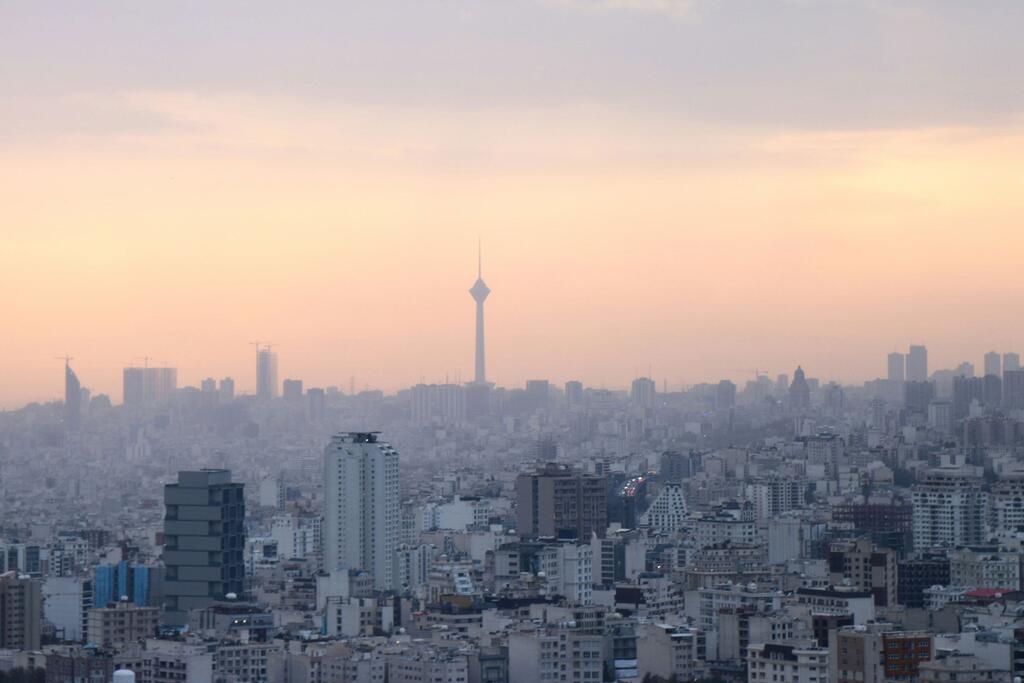
Volker Türk, the UN High Commissioner for Human Rights, said he was “appalled that – on top of the already severe impacts of the conflict – the rights of the Iranian people continue to be stripped from them.”
At least 21 people have been executed and more than 4,000 arrested on national security-related charges since late February, according to human rights office, OHCHR. Those executed include individuals linked to protests, alleged opposition group members and people accused of espionage.
Mr. Türk stressed that even during wartime, fundamental protections must be upheld.
“In times of war, threats to human rights increase exponentially,” he said, adding that core rights such as protection against arbitrary detention and the right to a fair trial “must be respected absolutely, at all times.”
Halt executions, ensure due process
The High Commissioner called on authorities to “halt all further executions, establish a moratorium on the use of capital punishment, fully ensure due process and fair trial guarantees, and immediately release those arbitrarily detained.”
OHCHR warned that Iran’s broad use of national security charges has placed many individuals – including children – at risk.
Reports of torture, coerced confessions and denial of legal representation have raised serious concerns about due process.
Detainees are also facing harsh conditions, with overcrowding, shortages of basic supplies and limited access to medical care. The health of imprisoned Nobel laureate Narges Mohammadi is reportedly deteriorating, while other detainees have died in custody under circumstances suggesting possible torture.
Internet shutdowns
Authorities have also imposed one of the world’s longest internet shutdowns, cutting off access now for 61 days, making it one of the longest and most severe shutdowns ever recorded.
“This is denying people across the country access to vital information, silencing independent voices, and inflicting enormous social and economic harm,” Mr. Türk said.
“It is exacerbating an already precarious humanitarian and economic situation and must be lifted immediately.”
Children in Lebanon caught in crisis
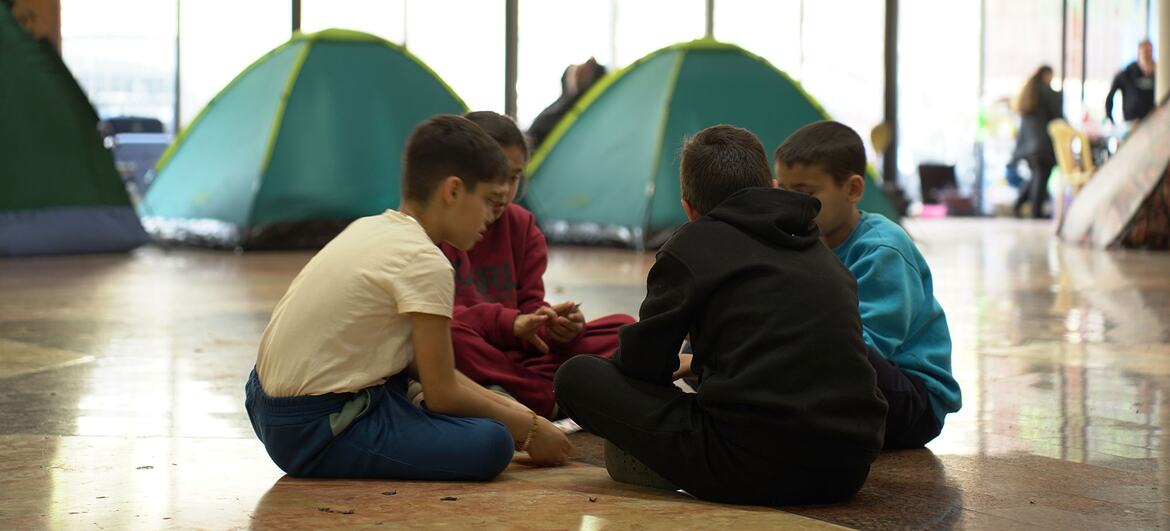
The human toll of conflict is also evident elsewhere in the region. In Lebanon, children continue to bear the brunt of instability and displacement, according to the UN Children’s Fund (UNICEF) on Wednesday.
The agency warned that children with disabilities face heightened risks during crises, noting that more than 38,000 people are receiving support through a national disability assistance programme backed by partners.
Among them are 12,000 families – including 17,500 children – who have received urgent cash assistance.
“Children in Lebanon need more than a pause in hostilities,” UNICEF said. “They need stability, protection, and the chance to keep growing, learning and dreaming.”
Aid workers killed
The humanitarian situation in Lebanon has further deteriorated, with aid workers increasingly likely to be hurt or killed.
The UN relief coordination office, OCHA, cited reports that three civil defence rescue workers perished in southern Lebanon when two strikes hit a building in the Tyre district, as emergency teams responded to casualties from an earlier strike.
“The incident underscores the risks faced by civilians, including emergency and humanitarian personnel,” OCHA said. According to the World Health Organization (WHO), attacks on healthcare have risen to 149 since the start of the conflict, resulting in 100 deaths and 233 injuries.
New Israeli displacement orders
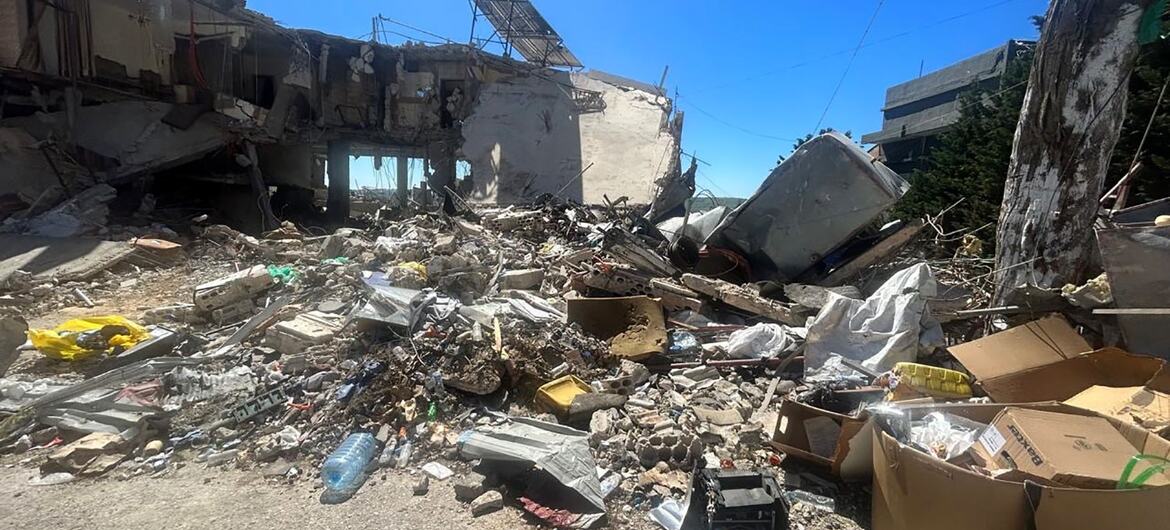
Meanwhile, displacement continues to rise. On 29 April, Israeli authorities issued a new displacement order south of the Litani River, affecting 16 areas and directing residents to move toward Saida.
Women and children remain disproportionately affected, with reports of rising psychological distress and heightened risks of gender-based violence, particularly in overcrowded shelters.
As financial resources dwindle, some families are abandoning rented accommodation and returning to collective shelters, OCHA said.
Attacks continue across the south
Speaking in New York, UN Spokesperson Stéphane Dujarric said the UN Interim Force in Lebanon (UNIFIL) recorded 81 firing incidents on Tuesday by Israeli forces originating from south of the Blue Line or within its area of operations.
Peacekeepers also observed interceptions of projectiles and multiple instances of artillery and mortar shelling across southern Lebanon.
Challenges to mission operations also persist. A UNIFIL patrol was blocked twice by an Israeli tank in the Al Mansouri area before being allowed to proceed, Mr. Dujarric said.
“We urge all to adhere to the cessation of hostilities,” he added.
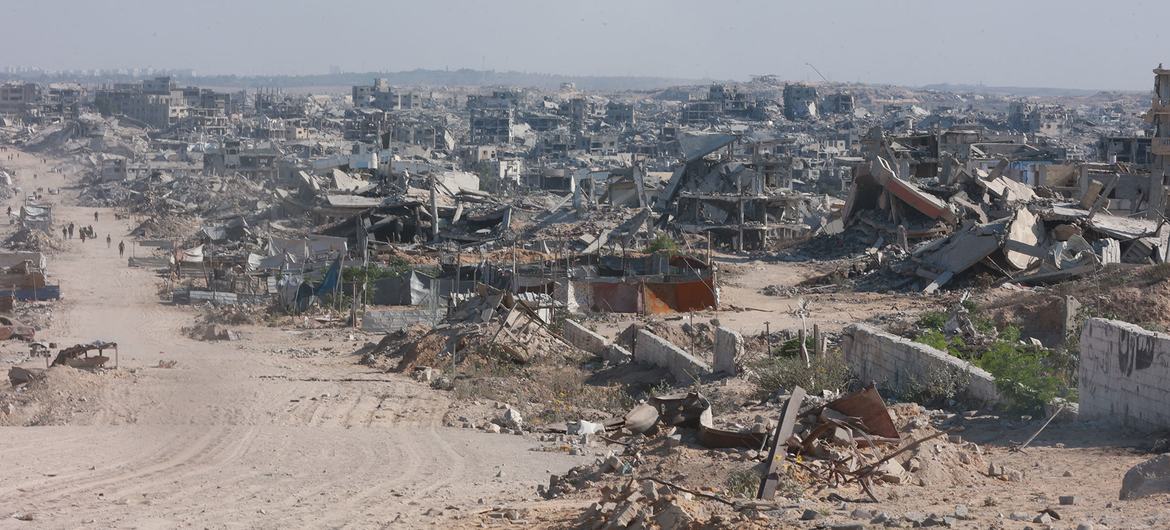
Gaza aid operations under pressure
In the Occupied Palestinian Territory, hostilities continue to disrupt humanitarian operations.
OCHA reported that strikes across Gaza continue to impact residential areas and critical infrastructure. A recent airstrike reportedly struck NGO workers at a water well in Gaza City, killing one and injuring four others.
Operations have also been suspended at the Al Mansoura water filling point, where two UN Children’s Fund (UNICEF)-contracted drivers were killed earlier this month.
Humanitarians warn that current arrangements are costly and unsustainable. Around 60 per cent of families still lack adequate access to clean water.
OCHA stressed that civilians and civilian infrastructure must be protected under international humanitarian law.