
Experts of the Committee on the Rights of the Child Praise Lesotho for its Children’s Parliament, Ask about Harmful Traditional Practices and Corporal Punishment
The Committee on the Rights of the Child today concluded its consideration of the third to seventh combined periodic reports of Lesotho under the Convention on the Rights of the Child. Committee Experts praised the State’s Children’s Parliament and raised questions about harmful traditional practices, including ritualistic murders and mutilations of children, and corporal punishment.
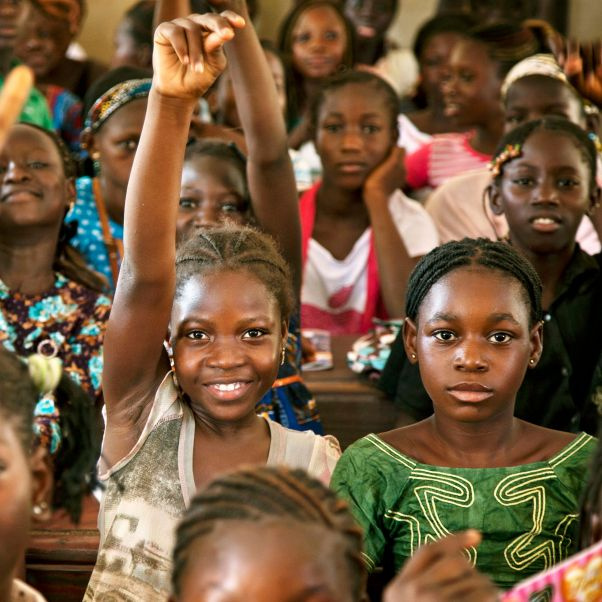
One Committee Expert said he was impressed by the State’s Children’s Parliament, including the process used to select children and the political commitment backing the process. To what extent had the Parliament’s submissions informed the State’s policies?
Aissatou Alassane Sidikou, Committee Expert and Taskforce Coordinator for Lesotho, said that in Lesotho, the murder of children and the mutilation of body parts for ritual or medical purposes exposed children to serious risks. She cited a 2026 case in which a traditional healer was reportedly released on bail shortly after having murdered two children and eaten their flesh. How were religious and community leaders involved in combatting harmful traditional practices?
Philip D. Jaffe, Committee Expert and Taskforce Member, said that corporal punishment was reportedly practiced widely in homes, schools and alternative care settings. State law permitted “minimal punishment”. Did pending legal amendments ban corporal punishment in all circumstances?
Introducing the report, Pitso Lesaoana, Minister of Gender, Youth and Social Development of Lesotho and head of the delegation, said that Lesotho had undertaken significant legislative reforms aimed at strengthening the promotion of children’s rights. Most notably, the tenth amendment to the Constitution of 2025 introduced transformative provisions aimed at eliminating discrimination against girls, children with disabilities, children living with HIV and children born outside marriage.
The delegation said that through the Children’s Parliament and district child dialogues, children actively contributed to policy and legislative processes. Children from all the 10 districts, including rural areas, were involved in selecting the members of the Children’s Parliament. This year, the Parliament addressed online child protection, and its submissions had influenced the State’s policy in this regard.
Regarding the case where children were mutilated, the delegation said it remained pending before the courts and the accused person had not been granted bail. Lesotho worked within regional and international frameworks to address harmful cultural practices. It conducted awareness raising campaigns to shift social norms and trained traditional leaders on preventing harmful cultural practices.
On corporal punishment, the delegation said the correctional services act of 2016 prevented it in correctional settings. However, the Government had not been able to fully ban corporal punishment in the child protection and welfare amendment bill, and it was still practiced in home settings. The State party was promoting positive parenting guidelines and continued to raise awareness in communities on alternative corrective measures.
In closing remarks, Ms. Alassane Sidikou, said the dialogue had highlighted the progress made by Lesotho in implementing the Convention, as well as challenges that the State faced. The Committee hoped that the State party would pay particular attention to implementing its recommendations.
Richard Ramoeletsi, Minister of Law and Justice of Lesotho and alternate head of delegation, in his closing remarks, said Lesotho remained steadfast in its commitment to implementing the Convention and the concluding observations, and to cooperating with the Committee and the international community on defending the human rights of all children without discrimination.
In her concluding remarks, Committee Chair Sophie Kiladze highlighted that the State had acknowledged its weaknesses and expressed its willingness to improve in various dimensions of children’s rights. The Committee looked forward to the effective implementation of its concluding observations. It would do everything it could to ensure that the issues raised in the dialogue were addressed, she said.
The delegation of Lesotho consisted of representatives from the Ministry of Gender, Youth and Social Development; Ministry of Law and Justice; Ministry of Foreign Affairs and International Relations; and the Permanent Mission of Lesotho to the United Nations Office at Geneva.
The Committee will issue the concluding observations on the report of Lesotho at the end of its one hundred and first session on 28 September. Those, and other documents relating to the Committee’s work, including reports submitted by States parties, will be available on the session’s webpage. Summaries of the public meetings of the Committee can be found here, while webcasts of the public meetings can be found here.
The Committee will next meet in public this afternoon at 3 p.m. to consider the fourth periodic report of Timor-Leste (CRC/C/TLS/4).
Report
The Committee has before it the third to seventh combined periodic reports of Lesotho (CRC/C/LSO/3-7).
Presentation of Report
PITSO LESAOANA, Minister of Gender, Youth and Social Development of Lesotho and head of the delegation, said that since the previous dialogue with the Committee, Lesotho had undertaken significant legislative reforms aimed at strengthening the promotion, protection and fulfilment of children’s rights. Most notably, the tenth amendment to the Constitution of 2025 introduced transformative provisions aimed at eliminating discrimination against marginalised groups, including girls, children with disabilities, children living with HIV, orphaned children and children born outside marriage. The amendment further recognised IsiXhosa, IsiPhuthi and sign language as official languages.
The children’s protection and welfare amendment bill of 2023 had also recently been passed by the Senate and transmitted to the National Assembly for concurrence. This represented an important step towards strengthening child protection, child participation, alternative care, adoption processes, child justice systems and the prohibition of child marriage. Further, legislative progress had been made through the enactment of the administration of estates and inheritance act of 2024, which guaranteed equal inheritance rights for all eligible children, irrespective of sex or birth order.
In order to strengthen child protection at the community level, the Government had developed Sesotho Child Protection Referral Pathways, which facilitated access to appropriate child protection services. Lesotho had also adopted the costed national prevention and response plan on violence against children, and in July 2026, the Ministry of Police, in partnership with non-governmental organizations, successfully piloted a boy-child mentorship programme, reaching 97 adolescent boys. The programme promoted leadership, positive masculinity and life skills.
An additional milestone was the commitment made by the Prime Minister in Bogota in 2024 that elevated the prevention of and response to violence against children to a national priority and reaffirmed the State’s determination to eliminate all forms of violence, abuse, neglect and exploitation affecting children. The Government had established the safe and enabling school environment programme, which focused on preventing violence and was currently being implemented in 300 schools, reaching more than 52,000 primary school learners. It had also strengthened the child helpline 116 by recruiting 10 permanent social workers, and expanded child-friendly justice services through the establishment of safe spaces and the strengthening of community-based prevention programmes.
National data indicated that the prevalence of child marriage had declined from 23 to 11 per cent over the reporting period. This progress reflected the combined impact of legislative reforms, community awareness initiatives and strengthened child protection interventions. Birth registration coverage had increased to approximately 81 per cent, supported by the deployment of registrars to community councils, the integration of registration services within health facilities, mobile registration initiatives, digitisation and registration outreach programmes in remote communities.
The Government had also continued to strengthen child participation. Through the Children’s Parliament and district child dialogues, children actively contributed to policy and legislative processes. Recommendations emerging from these platforms had directly influenced several pieces of legislation related to children. Basotho children had also represented the Kingdom in regional and continental forums, including the African Union.
Through the basic education strengthening project, more than 40,000 learners had benefited from targeted interventions, contributing to a reduction in dropout rates at junior secondary level from 27 to 19.8 per cent in participating communities. Teacher capacity had also improved significantly, with approximately 87 per cent of secondary school science and mathematics teachers receiving specialised training. The Government had further provided internet access to 204 public primary schools and 45 public secondary schools.
Lesotho had made notable advances in protecting and supporting children with disabilities. The implementation of the 2021 persons with disability equity act introduced disability grants and expanded the provision of assistive technologies, inclusive education support and multidisciplinary assessment services. More than 437 children with disabilities had received assistive devices.
Significant progress had also been made in health and social protection. Despite fiscal constraints, Lesotho had increased its overall national budget from 24.1 billion maloti in 2025/26 to 30.9 billion in 2026/27. During the same period, allocations dedicated to children’s programmes had increased from approximately 193 million maloti to 230 million, while annual social sector investments remained above 1.3 billion maloti. The Government continued to provide free primary healthcare services, adolescent-friendly health services, HIV prevention programmes, nutrition interventions, immunisation services, mobile outreach clinics and integrated maternal and child health programmes.
In the area of juvenile justice and child protection, substantial progress had been achieved. The number of court intermediaries had increased from one to 10, probation officers from six to 18, and village child justice committees from 43 to 78. Sixteen police stations had been capacitated to provide child-friendly services. The Office of the Director of Public Prosecutions had increased the number of prosecutors focusing on justice for children from one to six, while child-friendly court structures had also increased from one to six. The Government had further developed a draft restorative and child justice policy and a draft standard operating procedure and referral mechanism on child justice.
Lesotho recognised that safeguarding children’s rights was a continuing national responsibility - one that required sustained political commitment to provide adequate resources, build strong institutions, ensure effective enforcement of the law, promote community participation and, above all, maintain unwavering determination to place children at the centre of the State’s development agenda.
Questions by Committee Experts
AISSATOU ALASSANE SIDIKOU, Committee Expert and Taskforce Coordinator for Lesotho, said that the dialogue would allow the Committee to learn about the situation of children’s rights in Lesotho and the challenges being faced. The Committee welcomed the harmonisation of national legislation on the protection of children with international standards, and the adoption of the second constitutional amendment law, which demonstrated positive action supporting vulnerable children. Lesotho was a landlocked country in southern Africa where children faced persistent challenges such as HIV, poverty, physical and sexual violence, lack of access to services and persistent harmful traditional practices. However, the Committee noted with satisfaction the measures taken by the State party to implement the Convention.
The Committee was concerned that there was weak implementation of legislation on children’s rights. The bill amending the law on the wellbeing of children was launched in 2023 but was only adopted by the Senate in June 2026. How would the State ensure that this law was adopted by the National Assembly as soon as possible? The State had begun a legislative harmonisation process for its marital laws to establish 18 as the minimum age of marriage for boys and girls. What progress had been made in this regard? Did the State plan to review and update its expired national action plans and strategies?
Which institutions were responsible for coordination regarding the implementation of policies and programmes for children? The Government had made significant efforts to allocate sufficient budgets for key sectors such as health, education and youth and development. How were programmes and policies on children’s rights funded? Was there a central data collection system that was used to assess the implementation of the Convention? The National Human Rights Commission had not yet been fully set up, more than a decade after its establishment. Could it monitor violations of children’s rights and was its complaints mechanism accessible for children?
Reports suggested that there was persistent discrimination against pregnant girls in the school system, as well as stigmatisation of children with disabilities and children with albinism. What measures were in place to adopt a law to prohibit all forms of discrimination against children? What was blocking effective access to justice for all children?
In Lesotho, the murder of children and the mutilation of body parts for ritual or medical purposes exposed children to serious risks and violated the fundamental right to life. The Expert cited a 2026 case in which a traditional healer was released on bail shortly after having reportedly murdered two children and eaten their flesh. What had become of this man, who had been due to face trial in June 2026? What measures were in place to put an end to ritualistic practices such as this? What was being done to ensure the participation of children in all matters affecting them?
SUZANNE AHO, Committee Expert and Taskforce Member, asked whether persons who lived in rural areas had access to electricity and the internet. Reportedly, physical birth certificates were not always issued to families when children were born. How would the State ensure this? Did the State party have a law on statelessness? What was the process used for selecting the members of the Children’s Parliament? Could children benefit from the right to freedom of association? Had the State party assessed the effectiveness of its poverty reduction programme? How many families had access to the cash plus programme? Some villages in Lesotho still lacked access to potable water and even some schools did not have drinking water. How was the State working to ensure that schools and villages had access to potable water?
JAFFE PHILIP D. JAFFE, Committee Expert and Taskforce Member, said Lesotho had made significant legislative progress regarding child protection. He acknowledged the national action plan on preventing violence against children and commended the pledge made by the State in this regard in Bogota. However, he said sexual abuse and exploitation occurred frequently in homes, schools and communities, with girls in particular at risk. What additional staff and dedicated funding mechanisms for child protection programmes would be established in all districts? How was the Government promoting child-friendly investigations, prosecutions and sanctions in sexual violence cases, while protecting children from revictimisation? How was it supporting access to legal aid for children?
Corporal punishment was reportedly practiced widely in homes, schools and alternative care settings. State law permitted “minimal punishment”. Did pending legal amendments ban corporal punishment in all circumstances? How was the State party countering the persistent practice of lobola payments in cases of rape and abduction?
Informal kinship remained widespread. To what degree was this practice monitored by the State? Had foster care facilities been scaled up? How would the State ensure the implementation of quality standards for foster care and promote family reunification when in the best interests of the child? There were concerns regarding the staffing and technical capacity of adoption services. Could the State provide data on adoption applications, decisions, refusals and complaints? Children could stay with incarcerated mothers up to age two in Lesotho. How was the transition managed after age two?
Children with disabilities continued to face stigma and significant barriers to education, healthcare, protection and participation, particularly in rural areas. What budget had been dedicated to implementing the persons with disabilities act and to strengthening early identification, referral, community-based rehabilitation and support for families with children with disabilities? When would information on complaint mechanisms and education and health services be made available in sign language, and how would the State strengthen the accessibility of buildings?
Responses by the Delegation
The delegation said the 2018 children’s protection and welfare amendment act criminalised child marriage. The law prohibited the customary practice of marrying 16-year-old girls.
The Government had implemented significant initiatives to train the staff of ministries on developing budget lines for the protection of children. The Ministry of Gender, Youth and Social Development managed budgeting for child protection initiatives. There was a 14 million United States dollar budget for child grants and child protection policies for the period of 2024 to 2028, and there had been significant growth in health and education budgets over the last three years.
Lesotho had made great strides in promoting access to justice for children. It had increased the number of specialised courts for children from one to six, and the Office of the Director of Public Prosecution was working to train prosecutors on investigating cases of violence against children. Recently, 101 cases of violence against children had been completed. The number of court intermediaries had also recently been increased from one to 10 to assist children.
The Government was completing its national child wellbeing and development policy; it hoped that this would be adopted by the end of this financial year. The Government was also developing a child protection and information management system, which aimed to digitise the case management system. Officials were currently being trained on the system, which was expected to be implemented by the end of the financial year.
Lesotho had recently adopted the tenth amendment to the Constitution, which addressed discrimination based on language and mandated the Government to implement a myriad of affirmative action initiatives to address the historic disadvantages faced by children with albinism, children with disabilities and children from minority groups. Under the inclusive education policy of 2018, the Government had implemented various measures to enhance access to education for learners with special needs. A law had been adopted that mandated the provision of accommodations for children with disabilities in detention facilities. National broadcasting services now included sign language in news bulletins and other programmes. The Ministry of Education had established inclusive education clubs in schools. The Government supported the Albinism Association and conducted awareness raising campaigns on the rights of children with albinism. These children were provided with sunscreen and spectacles and supported to attend school.
The National Human Rights Commission was not yet operational. The tenth amendment to the Constitution established it with the purpose of promoting, protecting and monitoring human rights in the country, in accordance with the Paris Principles. Legislation that would operationalise the Commission had been developed and was scheduled to be tabled before Parliament soon. Once operational, the Commission would have the ability to deal with children’s rights. There were already several mechanisms for reporting violations of children’s rights, including the Child Protection Unit within the Lesotho Mountain Policy Service, the Office of the Ombudsman, and national referral mechanisms, including village safe spaces for children.
The national case management system was used to determine the best interests of the child in cases of adoption or children in conflict with the law. In cases where children were 10 years old or older, the State needed to interview them to assess their views on a potential adoption. In 2025, the State party had developed a package of health and psychosocial support services for children and had trained social service providers, carers and child protection teams on the best interests of the child. Further, in 2025, the State had developed positive parenting guidelines.
When children entered the conventional justice system, the State assessed their vulnerabilities. In most cases, non-custodial sentences were recommended, and children were returned to their villages under the supervision of a probation officer. There were also cases where offences by children were assessed by village child justice committees, which included children. Courts in Lesotho could not sentence a child to death.
In the case where children were mutilated, the Deputy Prime Minister had visited the family concerned to help them bury their children. This case remained pending before the courts and the accused person had not been granted bail. There was presently no dialogue between the Government and traditional healers regarding ritual killings, but the Government was implementing measures to prevent these crimes, including awareness raising campaigns aiming to prevent the mutilation of children and child protection programmes conducted through community structures.
Corporal punishment had been abolished by the correctional services act of 2016, which prevented it in correctional settings, and by the criminal prosecution and evidence act. It was still practiced in home settings, however. The State party was promoting positive parenting guidelines and continued to raise awareness in communities on alternative corrective measures.
The children’s protection and welfare act provided that all children needed to be registered at birth. Currently, 81 per cent of children were registered, and with support from the United Nations Children's Fund, the State party was conducting projects promoting registration in hard-to-reach areas where there was no internet or electricity. Mobile registration services were provided by the National Civil Registration Office. The children’s protection and welfare amendment bill would make it a crime to not register a child. Registration remained free. Social workers and community council child protection teams were working to identify unregistered children and refer families to registration services. The Ministry of Gender, Youth and Social Development was training community structures on the registration of children.
The children’s protection and welfare amendment bill of 2023 addressed statelessness, granting nationality to children born in Lesotho if they would otherwise be stateless. The State party was fast-tracking the process of adopting this bill as law.
The Children’s Parliament was held on an annual basis. Children from all the 10 districts, including rural areas, were involved in selecting the members of the Parliament. Children with disabilities and children in conflict with the law were also represented in the Parliament. Topics selected for assessment in the Children’s Parliament were decided on by members themselves; this year, the Parliament addressed online child protection, and its submissions had influenced the State’s policy in this regard.
Lesotho was working to ensure transboundary water participation in the southern African region. Some 82 per cent of the country had access to the water supply, including 96 per cent of urban areas and 76 per cent of rural areas. There were several water and sanitation projects underway in rural areas, and once ongoing development projects were concluded, the national access rate would increase to 90 per cent. There was a bill before Parliament that amended the current water act to ensure that water resources were well managed. The Bulk Water Authority had been established to manage bulk water supply, infrastructure, storage and treatment.
Questions by Committee Experts
PHILIP D. JAFFE, Committee Expert and Taskforce Member, asked if there were exceptions to the ban on corporal punishment. Did the State party have data on the impact of its initiatives promoting positive parenting?
One Committee Expert said he was impressed by the State’s Children’s Parliament, including the process used to select children and the political commitment backing the process. To what extent had the Parliament’s submissions informed the State’s policies?
Other Committee Experts asked about measures to protect children from intimidation by the accused during court proceedings; whether there was a provision allowing for child victims to submit evidence to courts through recordings or interviews with social workers; the support provided to child victims of abuse, including in rural areas; how the State ensured confidentiality for complaints submitted by children; how the best interests of the child were ensured in community justice mechanisms; the obstacles preventing the Government from operationalising the national human rights institution; whether schools could refuse enrolments by children with disabilities and whether disability support staff were placed in schools.
SUZANNE AHO, Committee Expert and Taskforce Member, asked for more information on the background of the 19 per cent of children who were not registered. How was the State party protecting children from online abuse? Did the State party have a school for training social workers? How were social workers in remote areas supported to travel and carry out their work? Were they qualified to register births? There was a shortage of qualified specialised health care staff, many of whom went to South Africa and other countries to work. How were community health workers trained and encouraged to stay in the country?
Mothers with HIV feared contaminating their children and used milk substitutes, but the water used with these made their children sick. How were mothers informed about the dangers of milk substitutes and encouraged to practice breastfeeding up to six months?
What part of the budget was earmarked for mental health? Were there child psychologists working to assess children’s needs? Why were there such high numbers of drug users in the State? How was the Government protecting young people from drug abuse?
Lesotho had the second highest HIV/AIDS prevalence rate in the world, at around 28 per cent. What measures were in place to address this issue? Did children have access to HIV treatment? How was the shortage of antiretroviral drugs being addressed? Were there programmes addressing childhood obesity and obstetric fistula? How was the State party working to support girls who fell pregnant to prevent their marginalisation? Were services provided to these girls in schools?
AISSATOU ALASSANE SIDIKOU, Committee Expert and Taskforce Coordinator for Lesotho, said unemployment and the poverty rate were high in Lesotho, and these factors contributed to issues such as child labour and child marriage. How were these issues being addressed? Only around 50 per cent of the population had access to basic health services. How was the State ensuring equal access to health services for all? Was it developing hygiene facilities for girls in schools? What steps had been taken to increase access to potable water in rural health centres?
FAITH MARSHALL-HARRIS, Committee Expert and Taskforce Member, said that despite reports of water scarcity in the State, it was selling water to South Africa. Could the delegation explain this situation? Did the school curriculum address environmental issues and the conservative use of water, including the use of greywater for irrigation? Was the State party developing an awareness raising campaign on the management of climate change? How were children involved in the development of disaster risk reduction strategies?
It was welcome that the largest subvention of the national budget, at 23 per cent, was devoted to education. However, it seemed that not enough money was being invested in early childhood care and education. Was the free reception class system for toddlers being monitored? Cultural initiation rites often clashed with the school calendar, and this could result in school expulsions. How would the State prevent such expulsions? It was welcome that the State had school feeding programmes in primary schools. Would these be extended to secondary schools? The State party needed to increase its investment in secondary education, extend the period of compulsory education, reduce secondary education fees and introduce quality vocational training programmes. There was a high level of teenage pregnancy in Lesotho, and girls who fell pregnant often faced stigma when they returned to school. How was the State working to expand sexual and reproductive health education?
It was commendable that the State party had exerted efforts to implement inclusive education. However, there was a lack of access to assistive devices, accessible infrastructure and specialty transportation in rural areas. How was this being addressed? How was the State promoting children’s right to play?
It was commendable that asylum seeking children were not put in detention camps. To what extent did these children have access to education, health and psychosocial care? How was Lesotho working to expedite the assessment of asylum claims?
Child labour was a major problem in the State party, with 31.9 per cent of children aged 13 and over engaged in so-called “late work”. How was the State addressing child labour and domestic work? Did the State collect data on street children?
Were there plans to increase the age of criminal responsibility to 14? It was currently too low. The Expert also called on the State to prevent the detention of children and promote non-judicial measures such as diversion and mediation.
Responses by the Delegation
The delegation said the State had implemented a policy to ensure that traditional initiations for herder families did not clash with school periods.
The labour act prohibited child labour. Children could only be employed when they were over 15 years and when the employment did not interfere with their schooling. Children between ages 13 and 15 were allowed to do light work only when it was approved by the Department of Education. Persons who employed a child below 15 years were liable to pay a fine or face imprisonment. The labour act authorised labour inspectors to inspect and enforce labour laws in private settings. Child labour could be reported through avenues such as the free child helpline.
Lesotho had reformed its legislation on the age of criminal responsibility in 2011 and 2012. Under reformed legislation, children under the age of seven years could not be held responsible for any acts. Children aged between seven and 14 could be held conditionally responsible, after an assessment of their development and their ability to understand the consequences of their actions.
The Government had adopted a range of measures to ensure that all children had access to birth registration services. Civil registration procedures could be conducted both online and offline. The Government tracked uncollected certificates through district and community registration offices. Awareness raising campaigns were conducted in remote areas on the importance of birth registration.
The Government had exerted efforts to prevent corporal punishment through legislative amendments, but these had met with resistance from the public. It had not been able to fully ban corporal punishment in the child protection and welfare amendment bill. The Government had, however, conducted a serious of awareness raising campaigns on child rights and welfare. It had also trained teachers, parents and child protection teams in remote communities on positive parenting guidelines. Recently, close to 1,000 parents and caregivers had received this training.
Under State law, court intermediaries needed to be present when children faced undue mental influence and suffering in court. The child welfare and protection act stipulated that court intermediaries and social workers could obtain evidence from a child in a comfortable setting. The accused person could cross-examine the child via a video call to protect the child from intimidation.
Hospitals were equipped to provide counselling to victims of violence. This normally occurred within 48 hours after the violence was reported. Civil society organizations, in collaboration with the Government, also provided community-based support services to victims of violence and trafficking. Consummation of a child marriage was prohibited and prosecuted as abduction and rape under the sexual offences act of 2003. The Government supported mothers to access mental health support in health clinics. Children went back to school after giving birth.
The modern child justice system put the rights of the child first when dealing with children in conflict with the law. Diversion was used when possible, particularly for minor cases, and apologies could also be used to conclude cases. Detention of children was used as a last resort. Court hearings involving children needed to use simple language and the parents or guardians of the child needed to be present. The State trained police officers, magistrates and prosecutors on child case management and diversion and had drafted a restorative justice policy.
There were 78 village child justice committees, each of which had 10 members, four of whom were children. The other members were members of the local authority. The village justice system worked with the conventional justice system. The State developed a manual that standardised the work of these committees in 2022 and had monitored around 32 of these committees in 2023 and 2024.
Through its inclusive education policy, the Government was working to move from the special education model to the inclusive education model, advocating for more schools that could include children with disabilities. It was also committed to improving the accessibility of rural schools and was mobilising resources to help students acquire the assistive devices that they needed.
Currently, there were no formal protocols guaranteeing confidentiality for complaints submitted by children. However, a confidential system would be implemented once the National Human Rights Commission was operationalised. Delays in setting up the Commission related to the complex legislative process tied to the tenth amendment of the Constitution. However, the Government was determined to set it up as soon as possible and ensure the operational independence of the Commission from the executive branch.
There was a national training institution for social workers, the work of whom was managed by districts. Two four-wheel-drive vehicles had been provided to each district for the use of social workers, and the Government was working to improve roads so that remote areas could be accessed by all cars, not only four-wheel-drives.
The Government was developing a retention strategy to prevent the brain drain of nurses overseas. It was also working to improve the water supply to villages so that mothers with newborns could access clean water.
The State had taken several initiatives aimed at preventing drug and substance abuse among children. The Lesotho Mounted Police Service was working in collaboration with civil society organizations to raise awareness among children about the dangers of drug abuse.
Lesotho was developing the legal framework to prevent online abuse of children and was also developing regulatory and parental guidelines towards this aim. The Ministry of Gender, Youth and Social Development trained school prefects to actively identify and manage online safety and abuse. Children could report such abuse through the free child hotline. The Government was also rolling out digital literacy campaigns targeted at rural and underserved communities.
Lesotho had strengthened its multisectoral HIV response for children and adolescents through HIV testing and counselling, comprehensive sexual health education, pre-exposure prophylaxis, reproductive health services and community-based awareness programmes particularly targeting girls. These efforts had yielded significant results: new HIV infections among young women had declined by 82 per cent from 2011 to 2025. Children and families affected by HIV/AIDS were supported through health, nutrition, mental health and education support services.
In community structures, parents were advised on how best to feed their children to prevent malnutrition, obesity and stunting. Children were also taught how to eat properly in nutrition clubs, which advised on how to produce food and preserve it during floods.
The Ministry of Gender, Youth and Social Development provided bursaries for children studying at secondary schools. The budget for these was 96 million maloti in 2023 and this had been increased to 99 million in 2026, covering 38,000 learners. There were over 200 public schools that were connected to the internet. The Government provided school feeding in all primary schools, but the current budget did not allow it to provide school feeding at the secondary level. Bursaries helped poor families to pay for lunches at secondary schools. The budget for school feeding was over 300 million maloti. Around 4,000 children of herder families participated in non-formal education programmes each year.
Lesotho had climate resilient water supply systems. Pipelines were designed to meet future demand and changing climate conditions, including droughts and extreme rainfall. There were tanks that could carry around 30,000 litres of water constructed in rural areas and boreholes were drilled in drought-prone southern regions. Large-scale irrigation did not yet use greywater, but there were wastewater treatment and management strategies in place. Education on climate change and water-related disasters was provided in schools and communities were educated on water, sanitation and hygiene programmes. The National Climate Change Committee was mobilising resources for climate action and advocacy on climate change adaption.
The Government was working with civil society organizations who supported children in street situations and developing a policy in this regard. It was also building an information system on child protection. It aimed to decentralise services for children in street situations to the districts from next year.
Questions by Committee Experts
PHILIP D. JAFFE, Committee Expert and Taskforce Member, asked about budgetary allocations for services for children with disabilities. Were there protocols on the rights of intersex children that were in line with international standards? Did sexual education programmes address the rights of lesbian, gay, bisexual, transgender and intersex children, who faced discrimination?
SUZANNE AHO, Committee Expert and Taskforce Member, asked whether the budget for the cash plus programme had been increased in line with the increase in the number of families on the programme from 1,000 to 40,000. How was the State party working to identify HIV-positive mothers and their children in highland areas? The death rate of mothers was increasing, in some cases because they did not have access to drinking water. Why was the access rate for early childhood health centres low? The State’s vaccination coverage rate had dropped because of cold chain distribution issues. How was this being addressed?
Lesotho had a high rate of early pregnancies, and in many cases, girls did not have access to condoms. How was the State confronting the lack of contraception? Clandestine abortions were contributing to the deaths of young girls. The State needed to amend its legislation in this regard in line with World Health Organization guidelines.
FAITH MARSHALL-HARRIS, Committee Expert and Taskforce Member, asked if the State party had a centralised system for identification, referral and data collection for trafficking cases. It was welcome that a trafficking and migrant control unit was established within the police service. How effective had it been? Were there specialised child-friendly support services for child victims of trafficking, including services for reintegration, legal aid and accommodation?
Staff at the juvenile training centre reportedly continued to use corporal punishment. How was the State addressing this? Child labour was also reportedly a societal norm. The issue of children working as domestic workers and herders needed to be addressed. There were also several reports of a practice of “sex for grades” in schools. Was the State working to severely sanction teachers who were found to be abusing girls? How did the State ensure that bursaries were equitably distributed to poor families? It needed to make secondary education free for all.
AISSATOU ALASSANE SIDIKOU, Committee Expert and Taskforce Coordinator, asked how the State party guaranteed nationwide coordination of policies for children. There was a low level of financial mobilisation, staffing support, coordination and strategic planning for these policies. How would the State improve the national protection system for children? How were religious and community leaders involved in the protection of the rights of the child and in combatting harmful traditional practices?
Other Committee Experts asked follow-up questions on plans to develop an information system that would cover all categories of children, including children in street situations; whether the State party planned to set up a data management system on female genital mutilation; data on girls’ access to education, registration of children born to unmarried mothers and on the implementation of measures to support children in mountainous areas; and the cases in which children aged between seven and 14 could be held criminally responsible.
Responses by the Delegation
The delegation said the Government was currently working to provide water to people domestically. There were over 20 development projects that were improving the rural water supply.
Lesotho dealt decisively with female genital mutilation, which was no longer practiced in the country. Persons found responsible for female genital mutilation were criminally charged. Lesotho worked within regional and international frameworks to address harmful cultural practices. It conducted awareness raising campaigns to shift social norms and prevent various forms of abuse, including female genital mutilation. The State trained traditional leaders on preventing harmful cultural practices and included them in community child protection teams.
The Government was working to address cases of sexual abuse in schools. In cases where teachers were responsible, they were taken out of school immediately and criminally investigated.
The current sexuality education programme addressed the rights of lesbian, gay, bisexual, transgender and intersex children, and the Government was implementing initiatives in collaboration with civil society to sensitise communities on the rights of these children and promote their inclusion in society. It had accepted four recommendations under the Universal Periodic Review to implement measures to eliminate discrimination against this community. It was also drafting legislation prohibiting hate crimes and hate speech against lesbian, gay, bisexual, transgender and intersex persons.
State law called for the presumption that a child aged between seven and 14 lacked the capacity to appreciate the difference between right and wrong, unless the Crown proved beyond reasonable doubt that the child could make this judgement. Experts on child psychology were required to assess children in these cases and present their findings to the court in person.
To combat trafficking in persons, the Government had formed a multi-sectoral anti-trafficking unit involving the police, prosecution, judiciary and other stakeholders. Officers in this unit were trained to detect cases of trafficking. Certain cases had been successfully investigated and prosecuted to finality, including cases of trafficking of girls in which offenders were sentenced to long prison terms.
Lesotho’s national information system for social assistance categorised families according to poverty levels and determined if children in these families were eligible for bursaries. The cut-off period for bursaries had been extended to 24 years of age, so that students in secondary schools who were over 18 could still receive bursaries. Over 99 million maloti was invested in bursaries for orphaned and vulnerable children. The budget for child grants was over 123 million maloti and the budget for disability grants was 44 million. The State party would assess the feasibility of funding free secondary education. It had also launched a national action plan on the elimination of child labour for 2024 to 2029.
Testing was undertaken when a woman’s HIV status was unknown when she gave birth. Those who tested positive were linked to antiretroviral therapy and services to prevent mother-to-child HIV transmission. There was a lack of national data on HIV positive women; the Government was working to strengthen the linking of health information systems to address gaps in health data.
Lesotho was a signatory to the 1993 Hague Convention on inter-country adoptions and was receiving training on the implementation of this Convention. The State was developing a national policy on adoption and a bill to domesticate the Hague Convention.
The child protection and welfare amendment bill would address issues related to the coordination of activities to implement child protection policies.
Juvenile training centres adhered to the Beijing Rules. These centres did not administer corporal punishment. Children serving in these centres could contact their families, continue their primary and secondary education and participate in sports and recreation.
The State had not legalised abortion due to considerations of religious beliefs and cultural traditions. It needed to conduct extensive educational programmes before these issues could be addressed.
Concluding Statements
AISSATOU ALASSANE SIDIKOU, Committee Expert and Taskforce Coordinator, thanked the delegation for the open, honest and direct answers it had provided. The dialogue had highlighted the progress made by Lesotho in implementing the Convention, as well as challenges that the State faced, which would be reflected in the Committee’s concluding observations. The Committee hoped that the State party would pay particular attention to implementing its recommendations.
RICHARD RAMOELETSI, Minister of Law and Justice of Lesotho and alternate head of delegation, expressed sincere appreciation to the Committee for the dialogue, which was a valuable opportunity to carefully assess national efforts. The constructive dialogue had helped to identify challenges that remained in the implementation of the Convention and opportunities to strengthen the State’s efforts. Lesotho remained steadfast in its commitment to implementing the Convention and the concluding observations, and to cooperating with the Committee and the international community on defending the human rights of all children without discrimination. This was an ongoing responsibility for the State that required constant care and attention.
The Government needed to continue to strengthen its efforts to prevent child marriage and early pregnancy, which continued to threaten the dignity and prosperity of girls. Rural poverty also continued to limit many children’s access to clean water, adequate health care and quality education. The Government was working to improve social services infrastructure and address gaps relating to alternative care systems. It was also committed to empowering children through civic education and would continue to build opportunities for children to engage with each other and leaders of society. In closing, Mr. Ramoeletsi affirmed Lesotho’s enduring commitment to its obligations under international human rights instruments.
SOPHIE KILADZE, Committee Chair, commended the high-level delegation and the direct answers that it had provided. This showed the State’s dedication to children’s rights. She also highlighted that the State had acknowledged its weaknesses and expressed its willingness to improve in various dimensions of children’s rights. The Committee looked forward to the effective implementation of its concluding observations. It would do everything it could to ensure that the issues raised in the dialogue were addressed. In closing, Ms. Kiladze conveyed warm regards to the children of Lesotho and wished them a bright future.
___________
Produced by the United Nations Information Service in Geneva for use of the media;
not an official record. English and French versions of our releases are different as they are the product of two separate coverage teams that work independently.
CRC26.012E