7 April marks the start of the 1994 genocide.
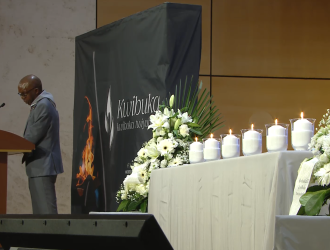
On 7 April, the United Nations Office at Geneva will commemorate the International Day of Reflection on the 1994 Genocide against the Tutsi in Rwanda, which was established by the United Nations General Assembly in 2003.
The date marks the beginning of the genocide perpetrated against members of the Tutsi minority by the Hutu extremist-led government. Within just over 100 days, more than 1 million Tutsi were systematically murdered. Moderate Hutu and others who opposed the massacres were also killed during this period.

COMMEMORATION OF THE INTERNATIONAL DAY OF REFLECTION ON THE 1994 GENOCIDE AGAINST THE TUTSI IN RWANDA
PROGRAMME
Tuesday, 7 April 2026, 16:00 – 17:30
Assembly Hall, Palais des Nations
___________
❖ Introduction by the Master of Ceremonies, Ms. Alessandra Vellucci, Director of the United Nations Information Service in Geneva
❖ Lighting of candles and observance of a minute of silence
❖ Artists: remembrance song
❖ Message of the Secretary-General of the United Nations, read by Ms. Kira Kruglikova, Director of the Division of Administration, United Nations Office at Geneva
❖ Video message by H.E. Ms. Tatiana Valovaya, Director-General of the United Nations Office at Geneva
❖ Remarks by Mr. César Murangira, President of Ibuka, Memory and Justice (Swiss section)
❖ Remembrance song by artist Mariya Yohana
❖ Video message by Mr. Volker Türk, United Nations High Commissioner for Human Rights
❖ Testimony by Mr. Antoine Niyigena, a Survivor of the 1994 Genocide against the Tutsi in Rwanda
❖ Remembrance song by artist Weya Viatora
❖ Remarks by H.E. Ms. Urujeni Bakuramutsa, Permanent Representative of Rwanda to the United Nations Office and other international organizations in Geneva
❖ End of the Ceremony
❖ Remembrance vigil in the Salle des Pas Perdus
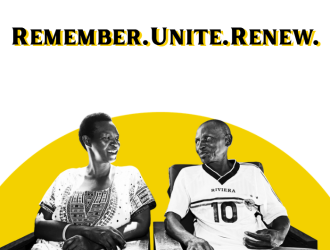
visit the EXHIBIT 'Remember - Unite - Renew'
The 1994 Genocide against the Tutsi in Rwanda left unanswered questions across an entire society. How do I live with what I have seen? How do I live with what I have done? Who am I without my community?
Only one option remained – to move forward.
Today, Rwanda is a testament to the power of post-genocide reconciliation. Among the stories of hope is that of Laurence, a survivor, and Xavier, her family’s killer, who now live as friends.
Explore their journey, the impact of hate speech and how your actions can make a difference.