
Building H in the Landscape and Façade
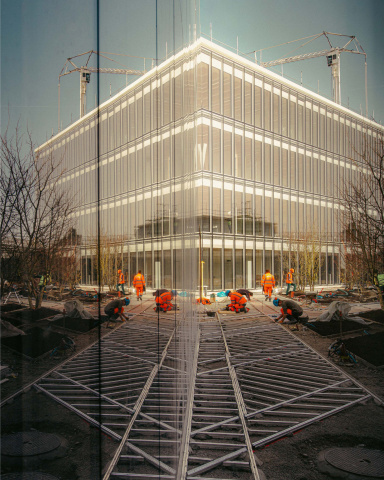
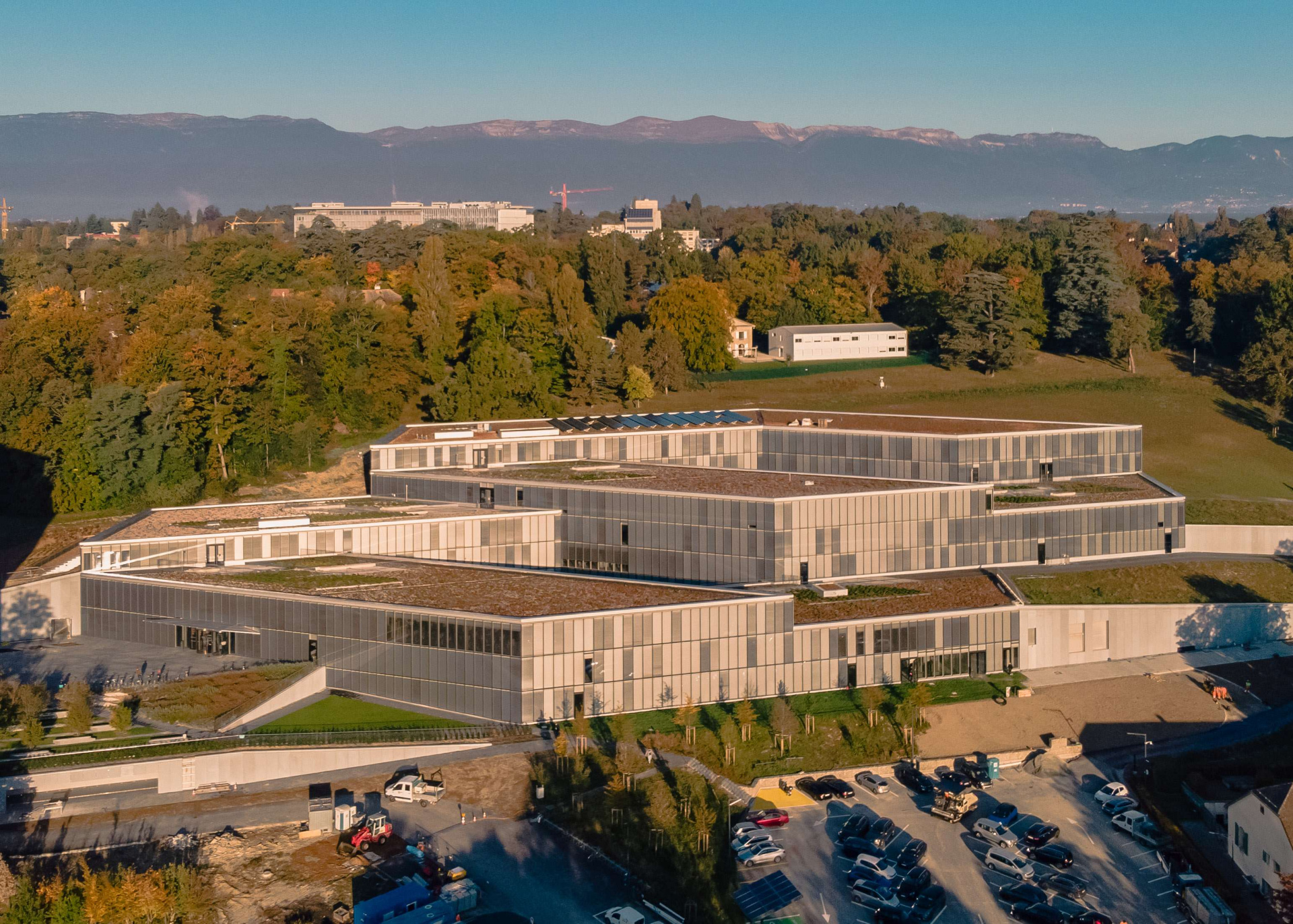
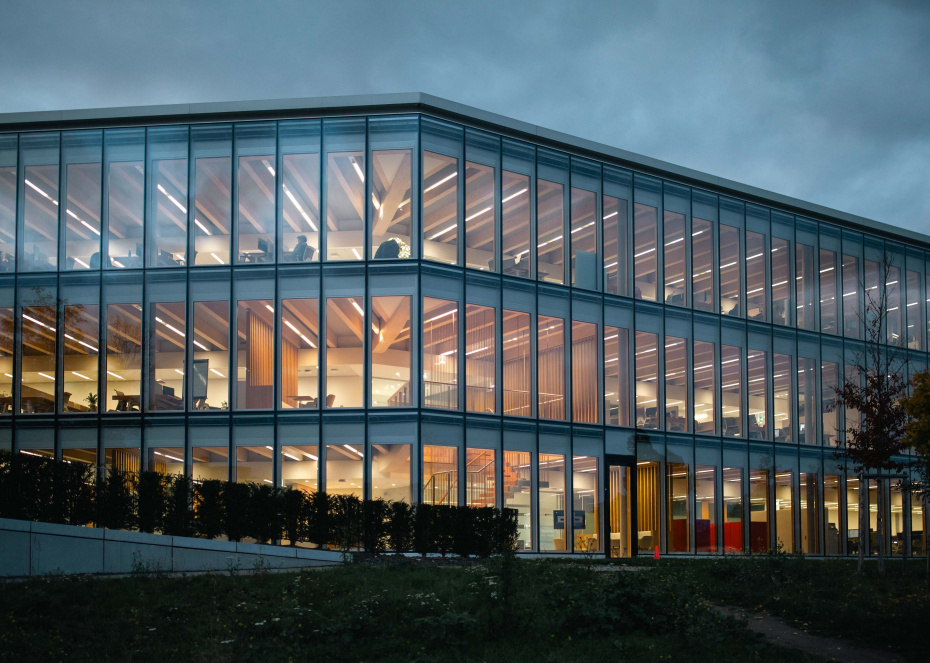
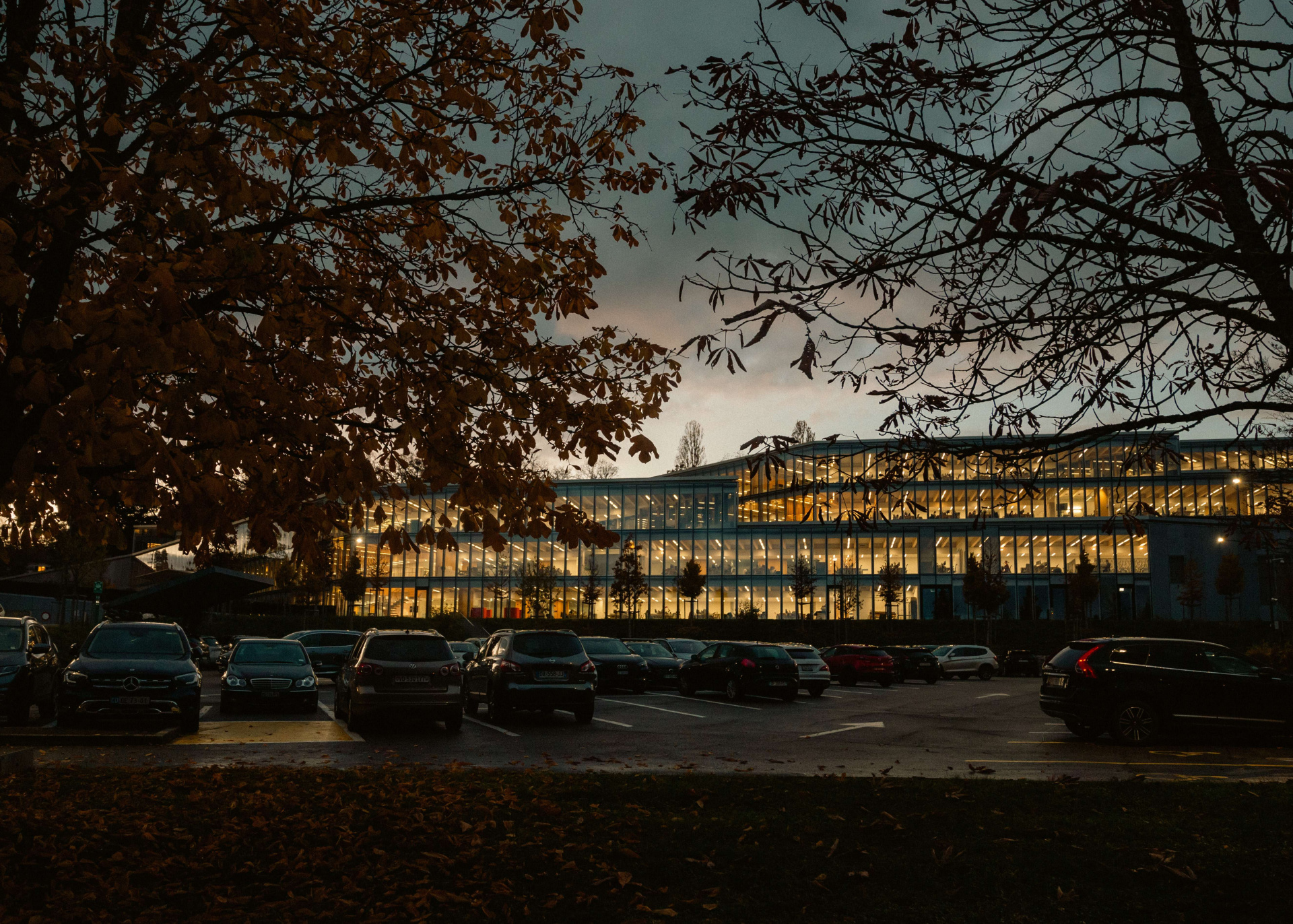
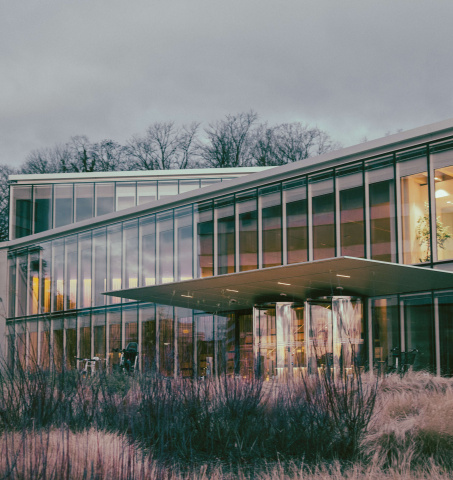
Completed in 2021, Building H was the first major milestone of the Strategic Heritage Plan, the long-term project to renovate and modernize the Palais des Nations. The 24,000-square-metre building provides a modern and flexible workspace for approximately 1,700 staff supporting the work of the United Nations in Geneva in the areas of humanitarian action, human rights and administration. Embedded in the landscape of Ariana Park, its terraced design follows the natural slope of the terrain while large glazed façades bring natural light deep into the interior and offer views across the park, Lake Geneva and the Alps.
Outdoor Areas
Landscape and Planting
The landscape surrounding Building H reflects the natural character of Ariana Park. Carefully selected plant species and layered planting schemes create a transition between architecture and parkland, enhancing biodiversity while providing welcoming outdoor spaces for staff and visitors. These landscaped areas form part of the building’s broader environmental design.
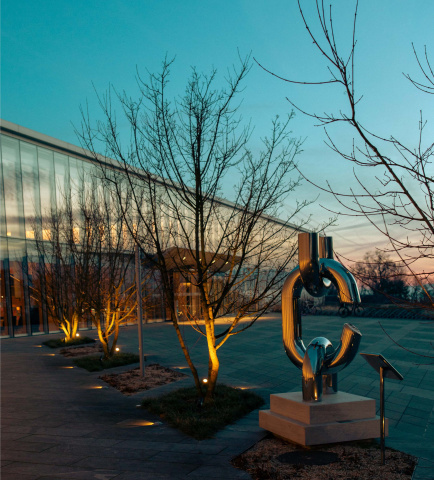
The Plaza and Public Art
The plaza outside Building H forms part of a series of courtyards throughout the Palais des Nations, including the Cour d’Honneur and the Cour du Secrétariat, which provide open spaces for circulation and gathering across the campus. It features Nemini Teneri – The Broken Chain (2022), a sculpture by San Marino artist Veronica Casali, a gift from the Republic of San Marino. Inspired by the ideals of liberty and independence, the work symbolizes the breaking of chains and reflects the values of freedom and human dignity that underpin the work of the United Nations.
Inside Building H
Flexible Workspaces
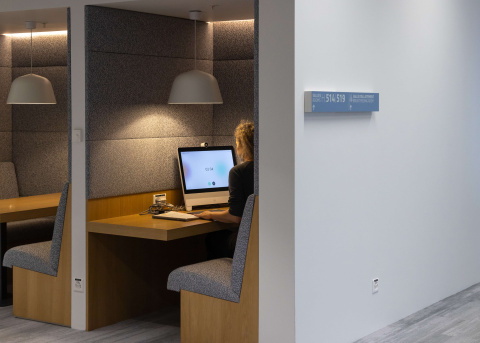
Building H was designed as a flexible and efficient workplace supporting approximately 1,700 staff. Open-plan workspaces are complemented by meeting rooms, quiet areas and informal collaboration spaces that allow staff to choose how and where they work throughout the day.
Collaboration Spaces
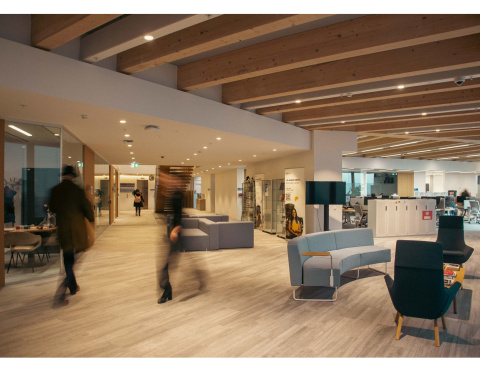
Shared spaces throughout the building encourage informal interaction and teamwork. Comfortable meeting points and open work areas create an environment that supports collaboration, communication and new ways of working.
Landscape Stairs
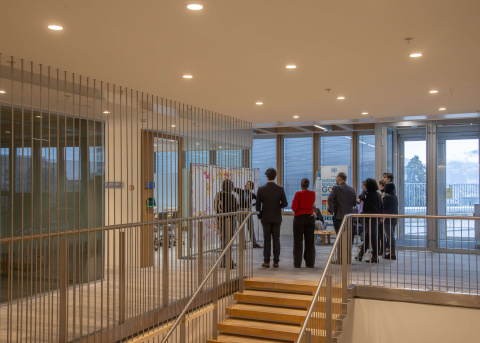
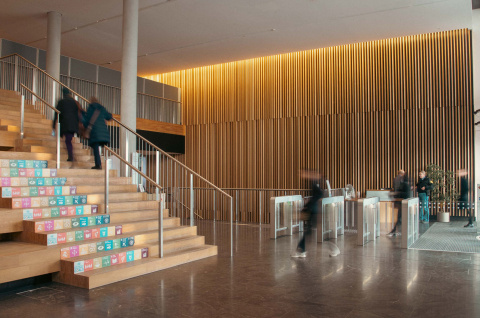
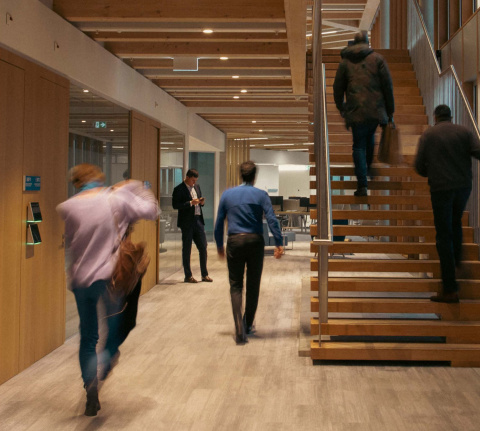
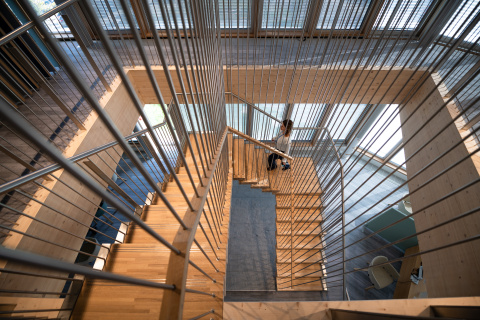
A network of open staircases connects the different floors of Building H, encouraging movement and interaction between colleagues. Filled with natural light, these stairs promote walking as a healthy alternative to lifts while strengthening connections across the workplace.
Circulation and Shared Areas
Circulation areas in Building H are designed as welcoming shared spaces rather than simple corridors. Informal seating areas and open walkways create opportunities for staff to pause, meet colleagues and move easily through the building.
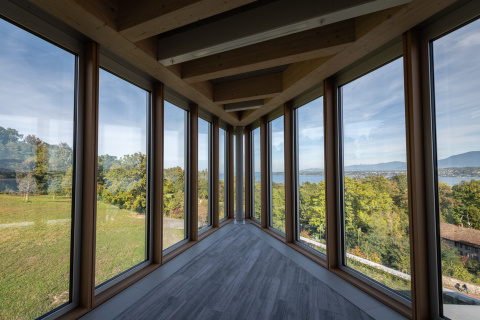
Views and Outdoor Spaces
Every level of Building H provides access to terraces or outdoor spaces overlooking Ariana Park. These areas reconnect the workplace with the surrounding landscape while offering views across the park, Lake Geneva and the Alps.
Sustainability and Accessibility
Accessibility
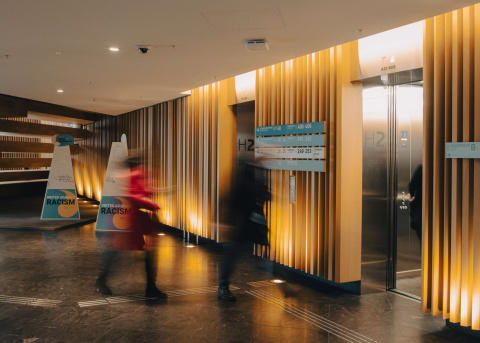
Accessibility is a key objective of the Strategic Heritage Plan, which aims to modernize the Palais des Nations while ensuring that the campus is accessible to everyone. In Building H, this commitment is reflected through features such as tactile guidance strips, accessible lifts and step-free circulation routes, helping create an inclusive environment for staff and visitors.
Sustainable Mobility
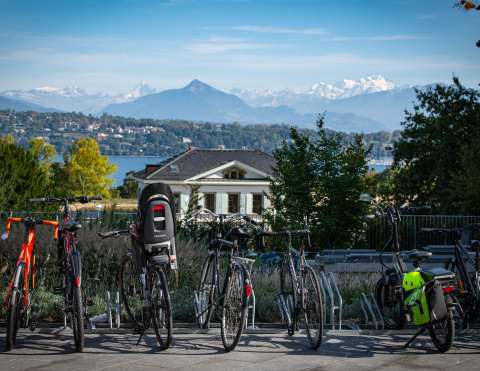
Facilities for bicycles and convenient access to public transport support sustainable commuting options for staff and visitors, contributing to the environmental objectives of the Strategic Heritage Plan.
Construction
Building H Under Construction
Completed in 2021, Building H was the first new permanent building delivered under the Strategic Heritage Plan, marking an important milestone in the modernization of the Palais des Nations. Designed as a highly efficient and sustainable workplace, the building achieves a performance level equivalent to the internationally recognized LEED Gold environmental standard. Thermal energy from Lake Geneva is used for cooling, while a green roof helps reduce the heat-island effect and improves the building’s environmental performance.