
Celebrated every year on 18 December, Arabic Language Day honors one of the world’s most widely spoken languages and a pillar of humanity’s cultural diversity. From classical texts to poetic calligraphy, Arabic has shaped philosophy, science, art, and literature, fostering dialogue across cultures for centuries. Recognized as the sixth official language of the United Nations since 1973, Arabic continues to promote knowledge, peace, and mutual understanding around the world.


What languages do you speak?
Visit our photobooth to show your language abilities
The photobooth will be set up between 11 and 18 December during working hours.
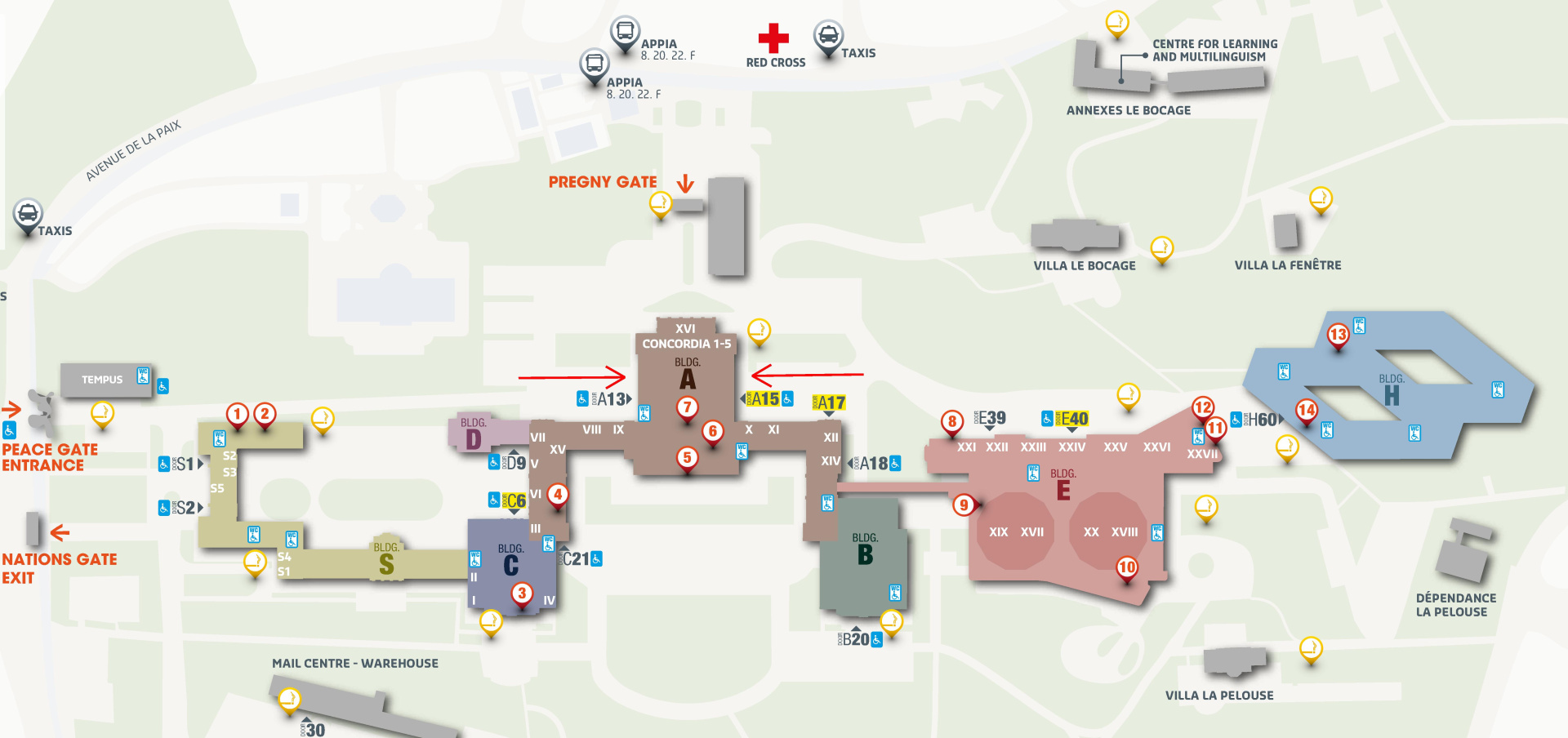
Directions: Enter through door A13 or A15. The photo booth is located in the A Building in the Concordia Bar.
Everyone working at or visiting the United Nations Office at Geneva has the opportunity to take a picture showcasing the languages they speak.
Take your colleagues for a group picture and demonstrate the linguistic diversity in your team!
In addition, an Arabic poetry reading accompanied by oud music will take place on 11 December from 13:30 to 14:30 in the Cinema Room (Room 14), Building A, Door A18.
Did you know?
- Arabic became one of the six official languages of the United Nations on December 18, 1973 — a date now celebrated worldwide as UN Arabic Language Day.
- Arabic is spoken by more than 400 million people, making it one of the five most spoken languages in the world.
- The Arabic alphabet has 28 letters; most letters change shape depending on their position in the word.
- The Arabic script flows from right to left, and its elegant calligraphy has inspired art, design, and architecture around the world.
- Arabic has an extraordinarily rich vocabulary — over 100 words for “camel” and dozens for “love.”
- Words like “coffee,” “sugar,” “algebra,” and “cotton,” all come from Arabic roots.
Test your knowledge of the Arabic language!

